
7-Step Master Plan to Get Hired in Germany (Without Leaving Home)

If you’re someone trying to find a job in Germany whether you’re a student, a fresh graduate, or someone with years of experience there’s probably one question that keeps coming up:
Where do I even start?
And trust me, you’re not alone in feeling that way.
Finding a job in Germany isn’t easy. And if you don’t approach it strategically, you could end up wasting a lot of time, money, and energy with little or no success.
I’m going to show you exactly how to do that. The best part? You can do all this without even leaving your home country or paying thousands of dollars to some job agency.
How do I know? I did it myself. I applied from India, attended online interviews, and came here directly with a job contract in hand.
If I can do it, you can too. So let’s get started.
Step 1: Research the German job market
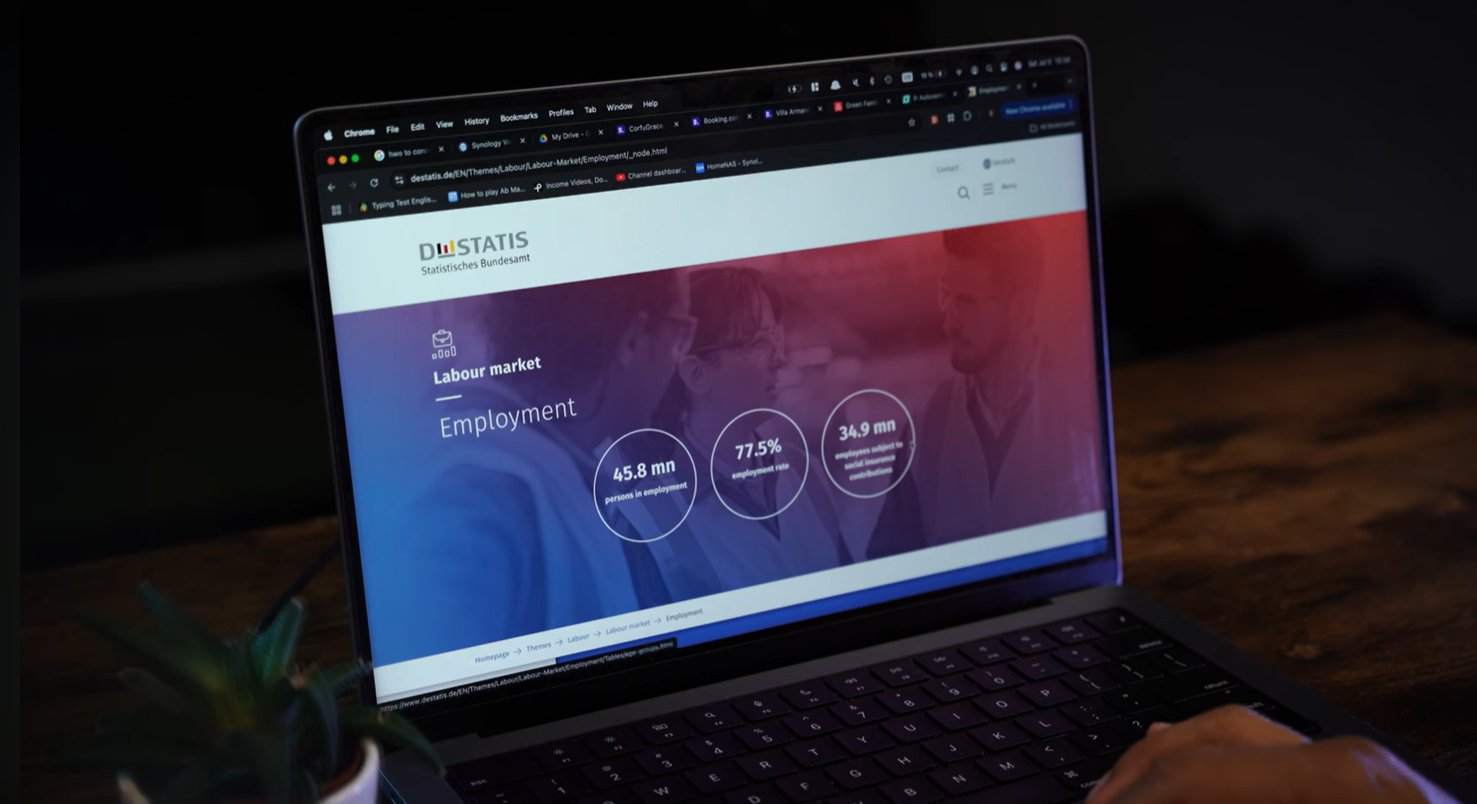
The first thing to do before sending that application form is to understand the current job market in Germany and make sure you’re a good fit to work here. And there are a bunch of ways you can figure this out. You can check German job sites, read labor market reports, or even just scroll through a few trending articles online.
Or if you know someone already working in Germany, talk to them. You’ll get real, ground-level insights that no report can give you.
Even if there’s no demand in your field right now, that doesn’t mean it’ll stay that way forever. Due to Germany’s aging population, millions of people are going to retire in the next few years.
That means more job openings are coming. So if you start building the right skills now, you could be in a great place when the timing’s right.
Step 2: Check Your Qualification
So here’s the thing: if you want to work in Germany, just having a degree or certificate from your home country might not be enough.
For a lot of jobs, your qualifications might need to be officially recognized in Germany. And for some roles like doctors, nurses, or lawyers, it’s not just a nice-to-have; it’s actually mandatory.
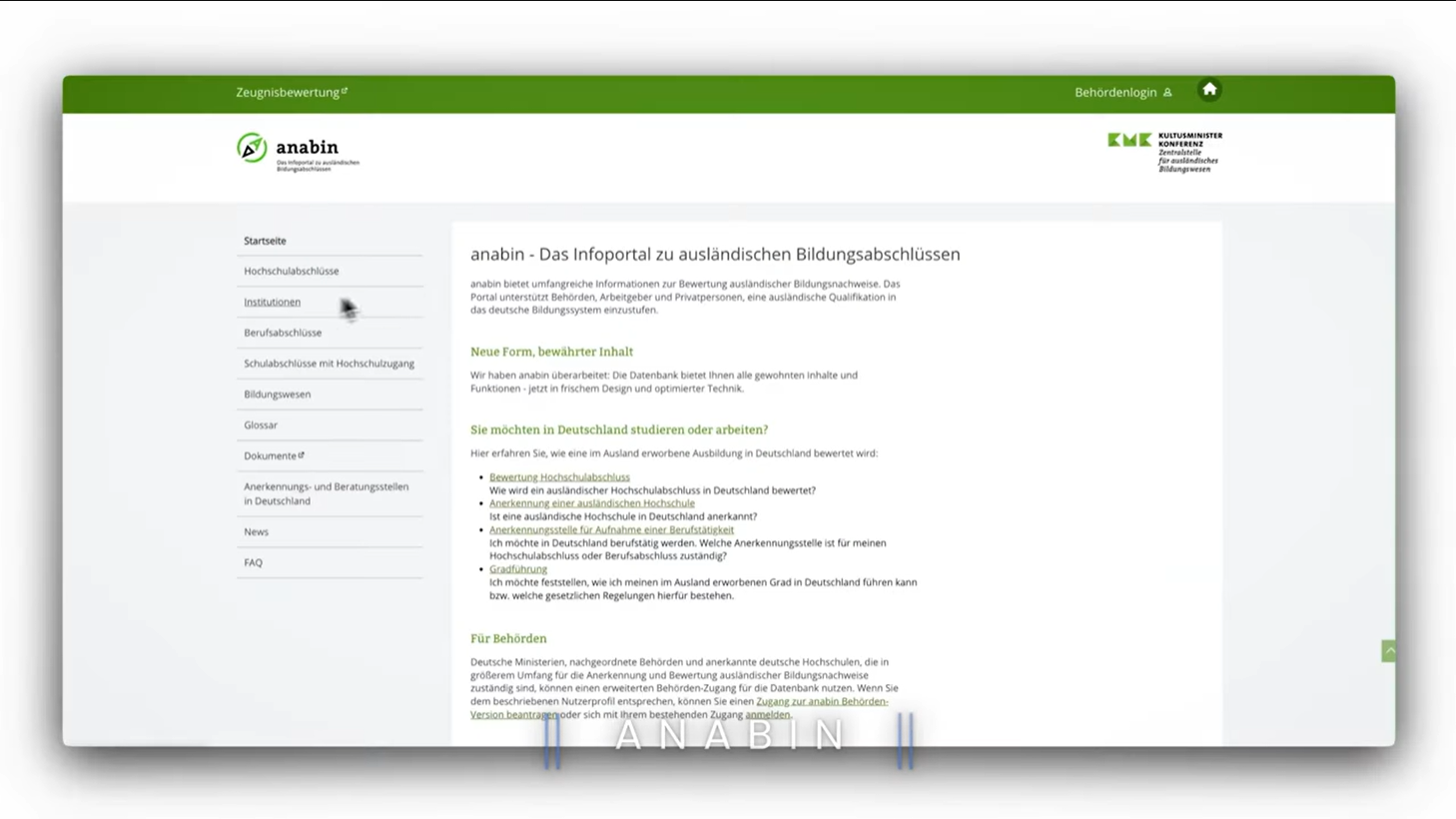
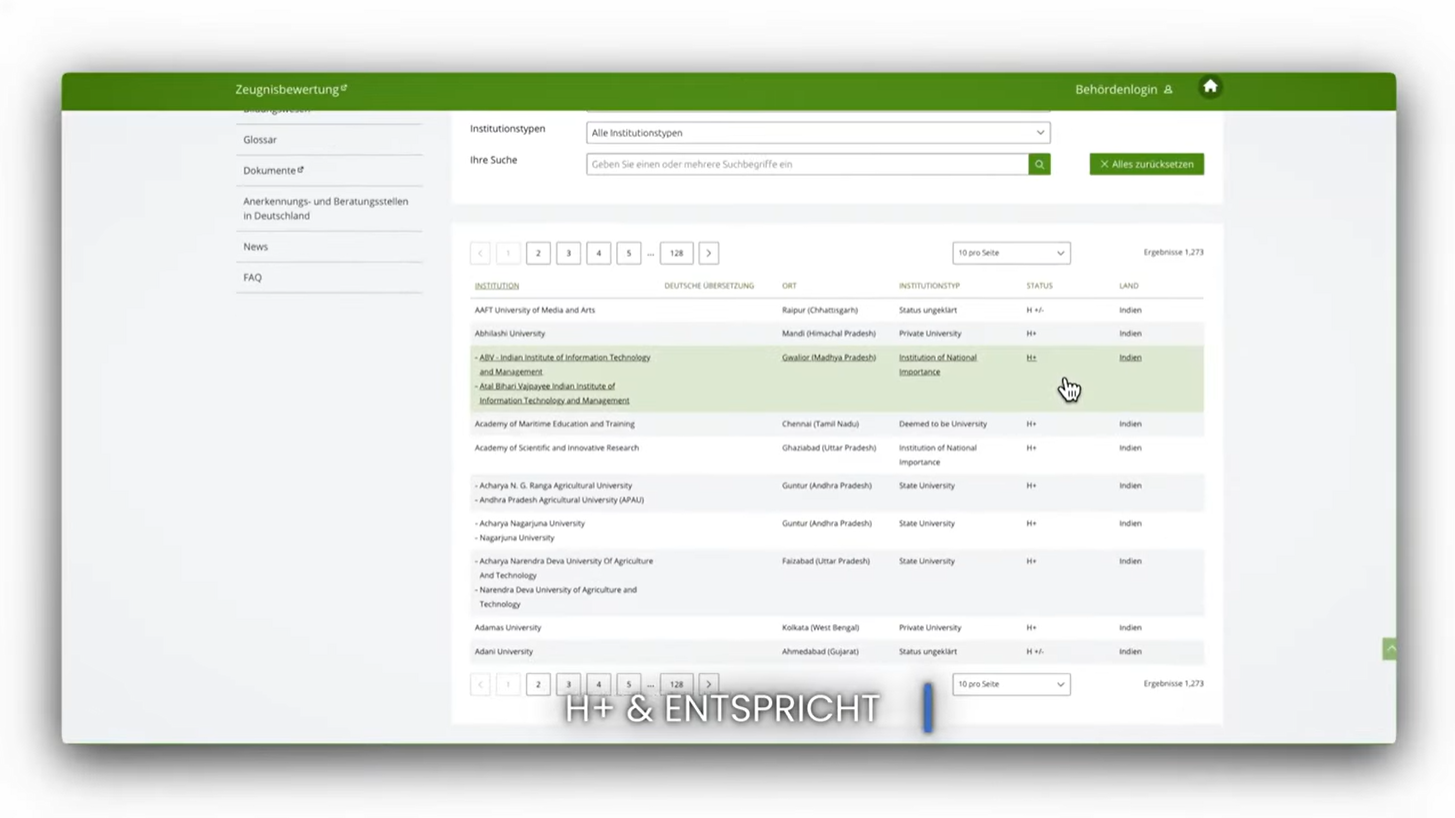
But don’t worry. Germany has a proper system to verify this called Anabin. It’s an official website where you can check if your university and your degree are recognized. In Anabin, if your university shows up as H+ and your degree says "entspricht," you’re good to go.
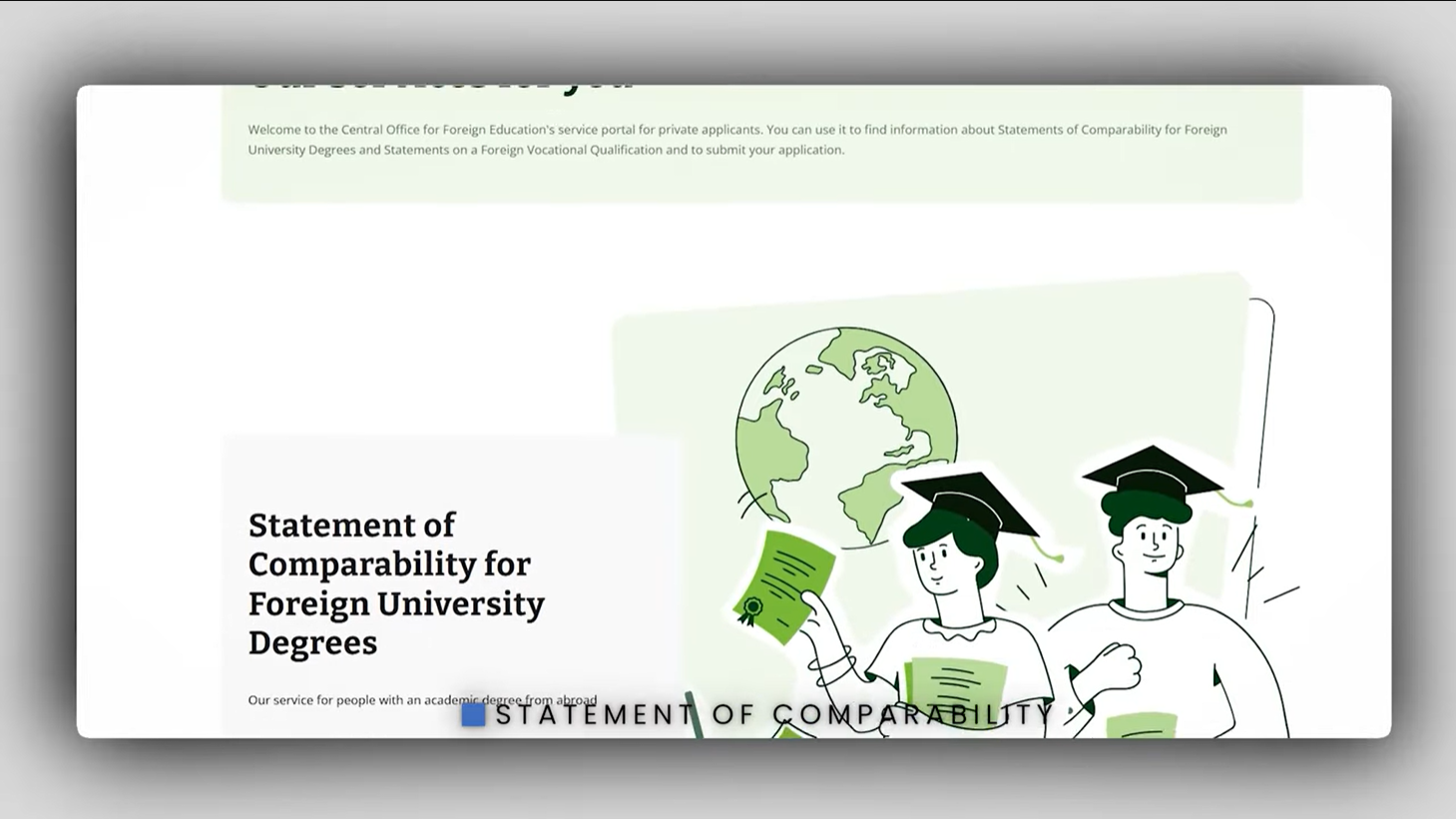
But if your university or degree isn’t listed—or shows something else—you might need an extra step called a Statement of Comparability. It’s basically an official paper that says, “Yes, your degree matches the German standard.”
Step 3: Learn German
Let’s talk about something super important—but something most people ignore. Language skills.
Here’s the truth. If you want to work in Germany, most companies will prefer someone who speaks German. It’s just how it is. A lot of job listings will directly ask for at least B1.
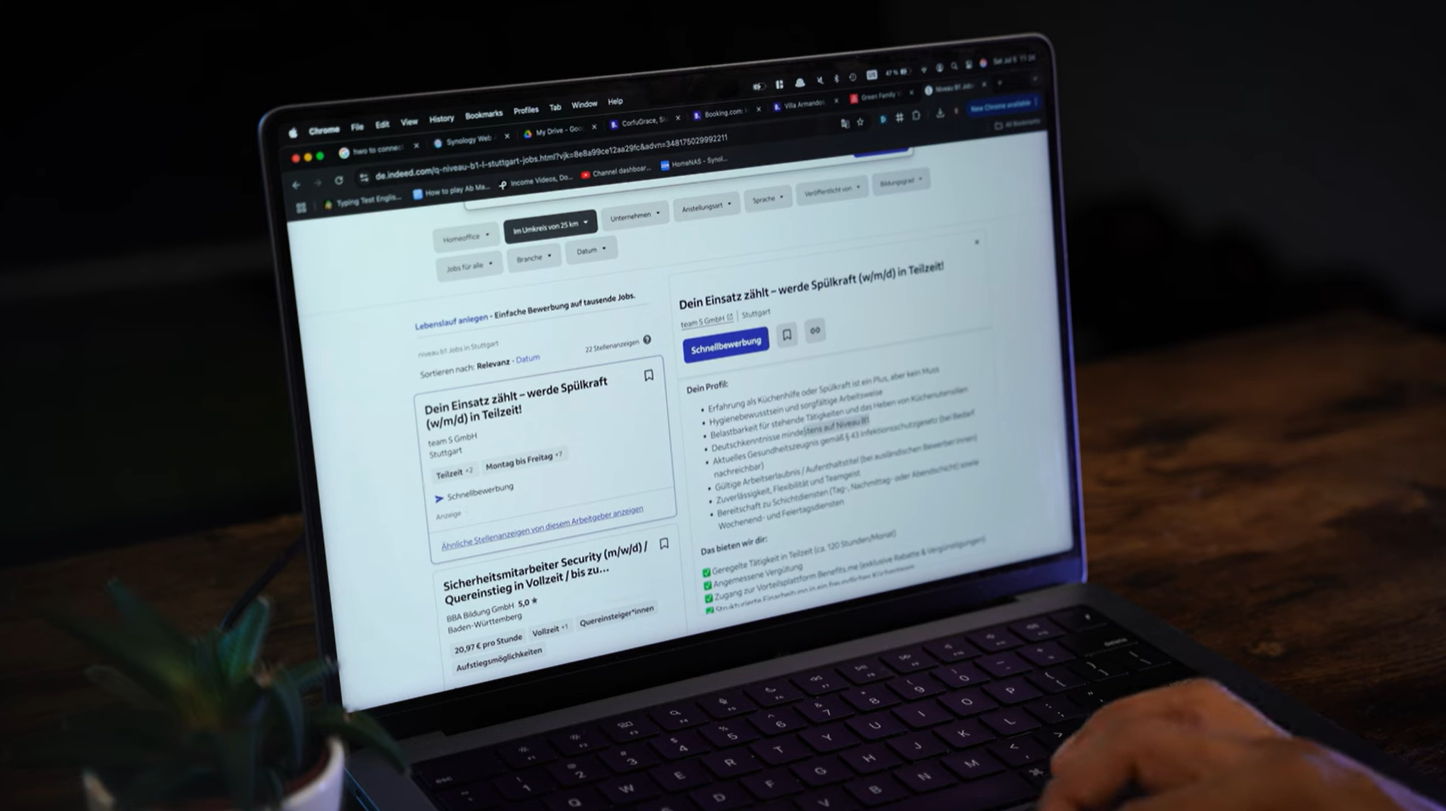
Yes, there are English-speaking jobs. But they’re rare. And super competitive. And it’s not just about the job. You’ll need German in your daily life too. Grocery shopping, going to the doctor, handling paperwork, even asking for directions it all becomes easier if you know the language.
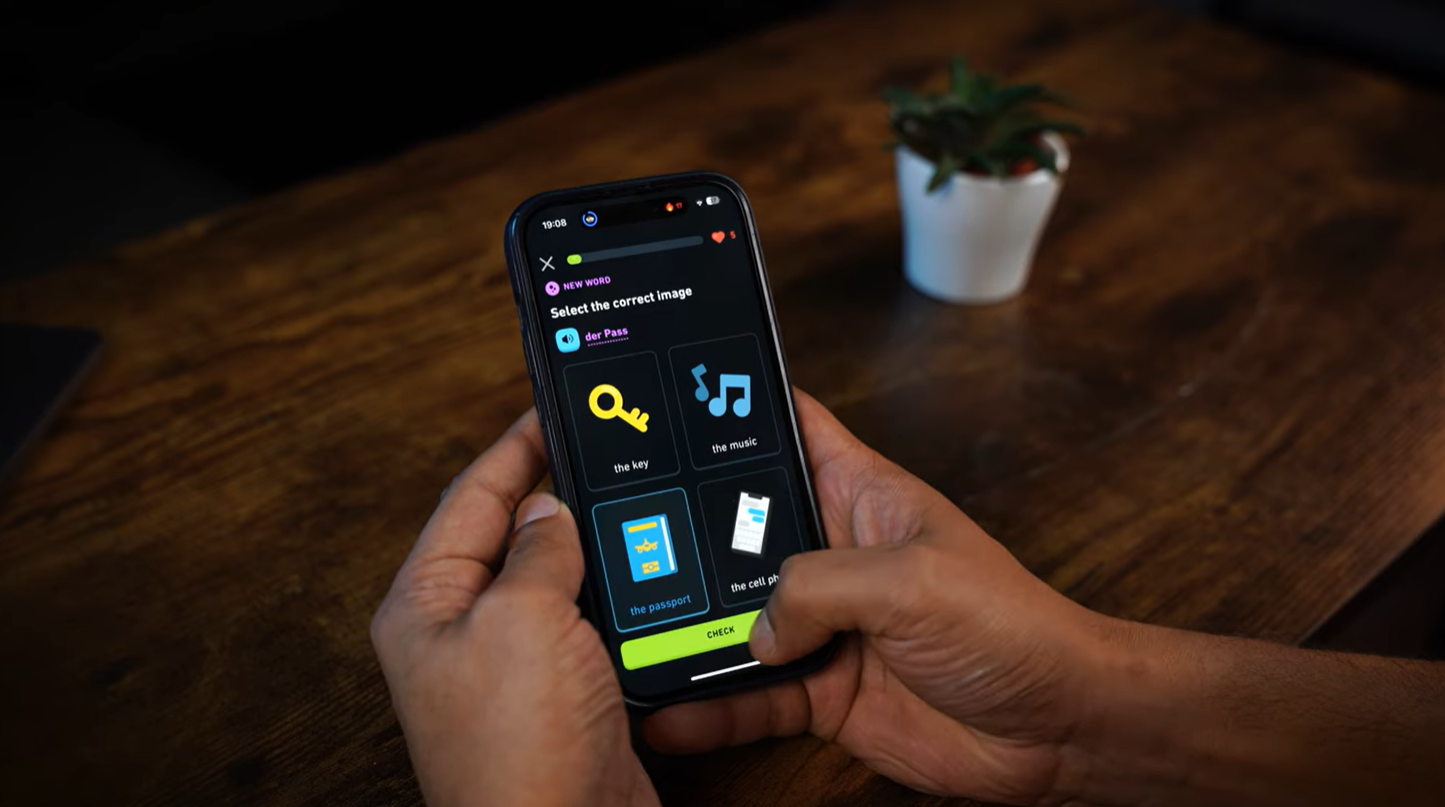
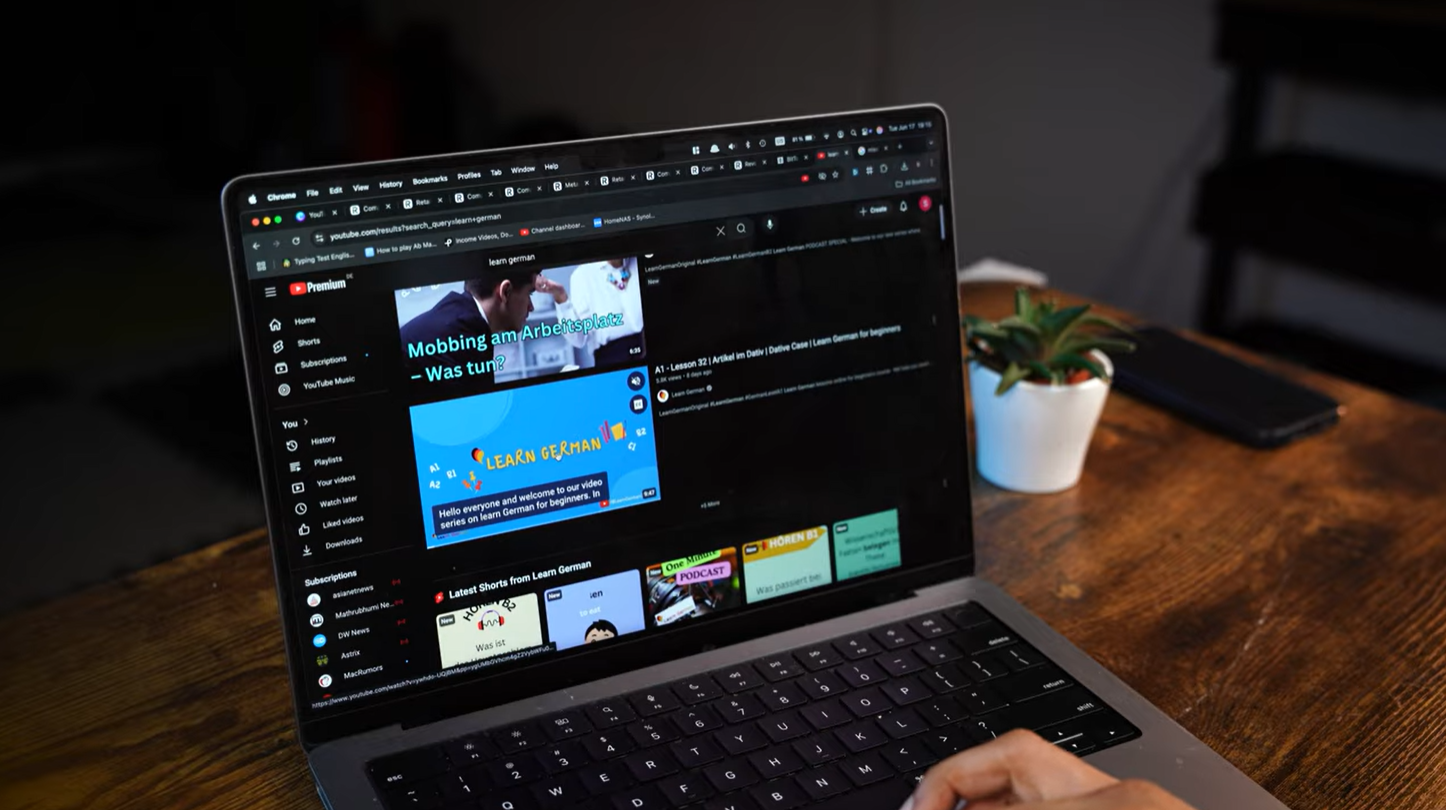
So my advice? Start learning German as early as you can. There are tons of free or low-cost ways to get started. Apps, YouTube, local language schools—find something that works for you.
It usually takes around 5 to 6 months to reach a decent level if you’re consistent. The sooner you start, the better your chances.
Step 4: Create a German-style resume and cover letter
Let’s talk about your entry ticket to the German job market. Your Resume. It is what an employer sees first. Before you ever get an interview call, or before anyone even speaks to you. So if your resume doesn't make a good first impression? You’re out. No second chances.
Most companies here use ATS systems. It is software that scans your resume before a human ever looks at it. So if your resume isn’t ATS-friendly? It’s not even making it past the first checkpoint. So you’ve got to get it right and tailor it for the German job market.
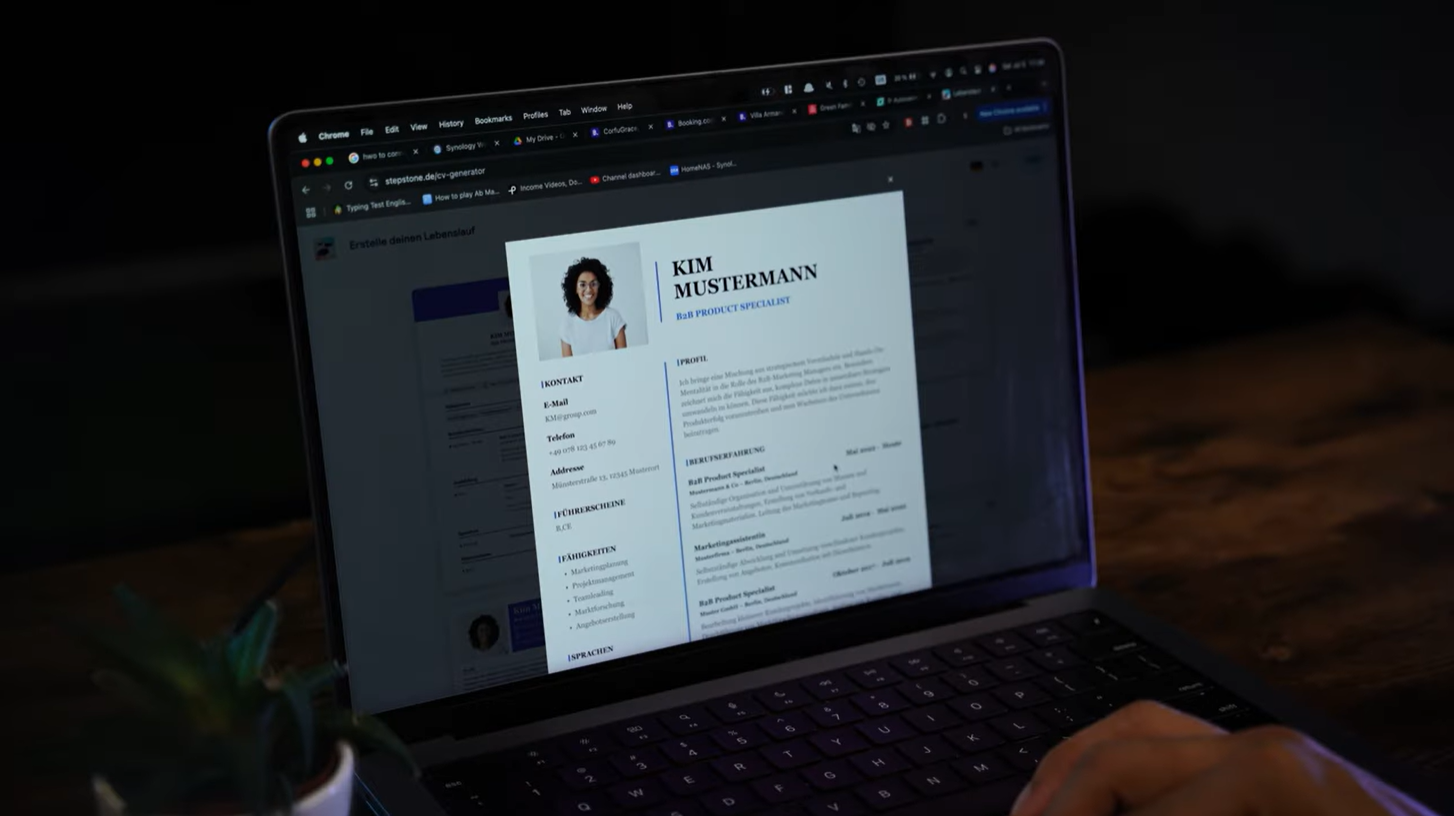
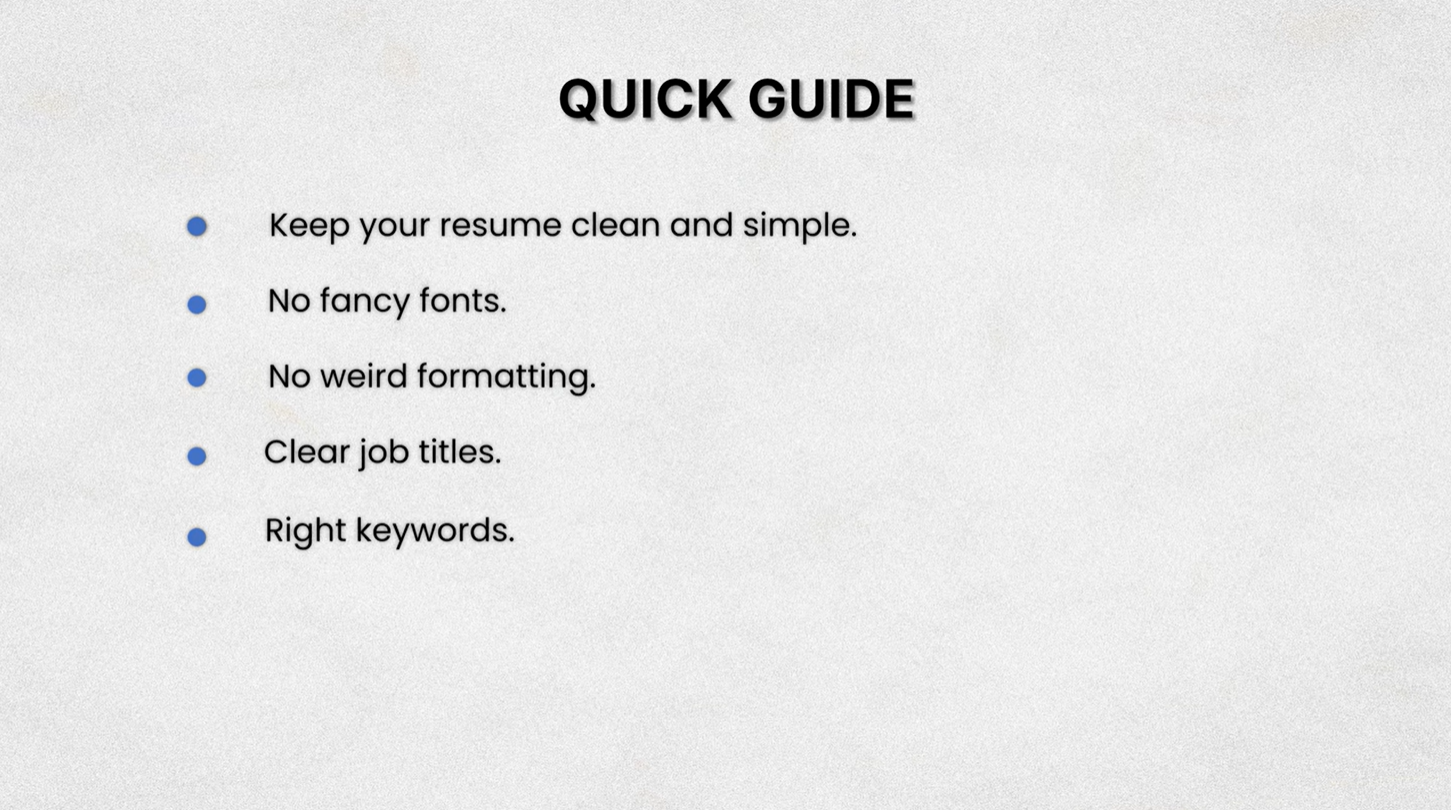
And here’s how to do that. Keep your resume clean and simple. No fancy fonts. No weird formatting. Just clear job titles, bullet points, and the right keywords from the job listing.
If you’re not sure how it should look, I will put a link below to a one-page resume template, which you can download for free.
And yes keep it to one page. I know that sounds tough if you’ve got years of experience, but it’s possible. Just keep only what’s relevant to the job you are applying for.
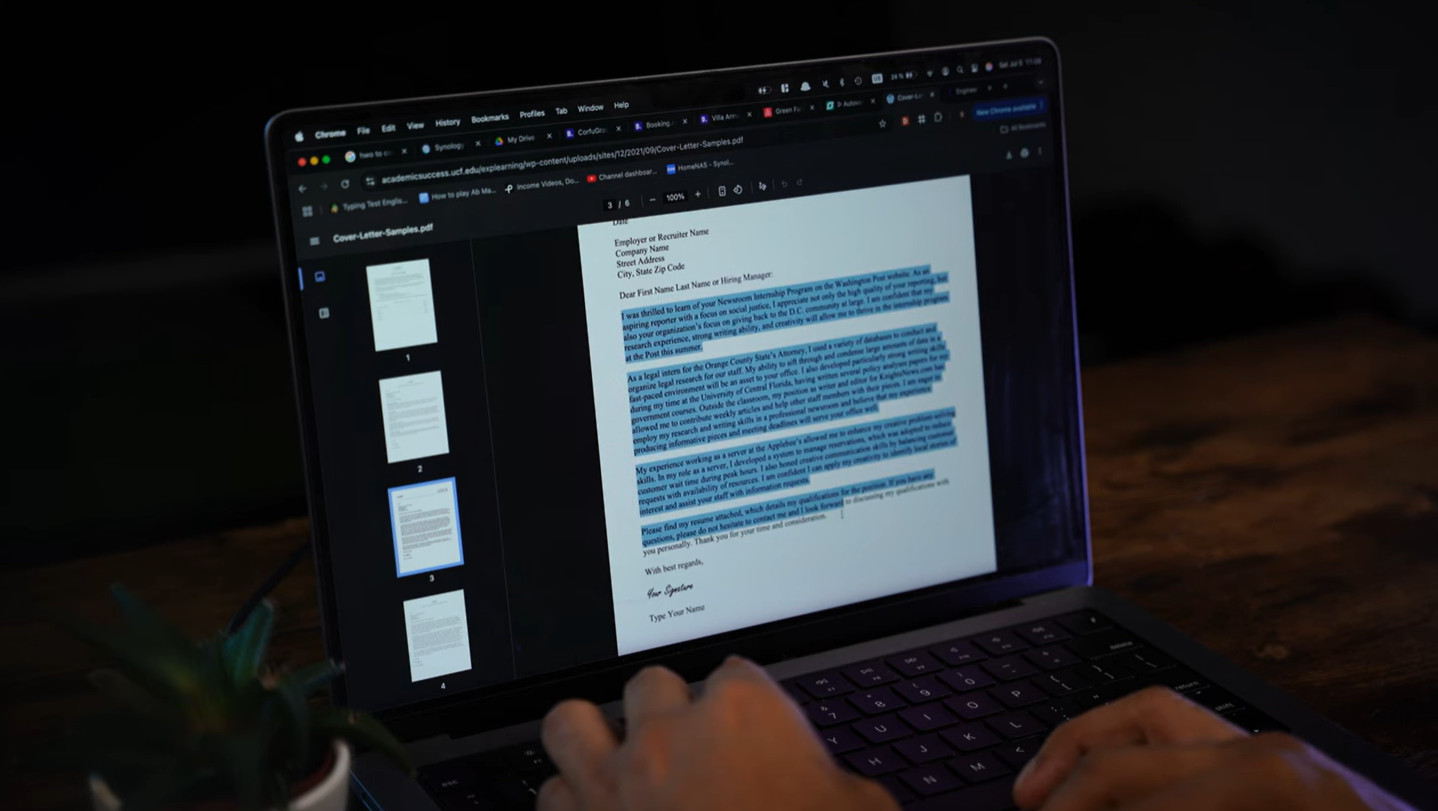
Now the other thing that’s just as important as your resume is your cover letter. I get it—nobody likes writing these, and it is easier to just copy-paste something off the internet.
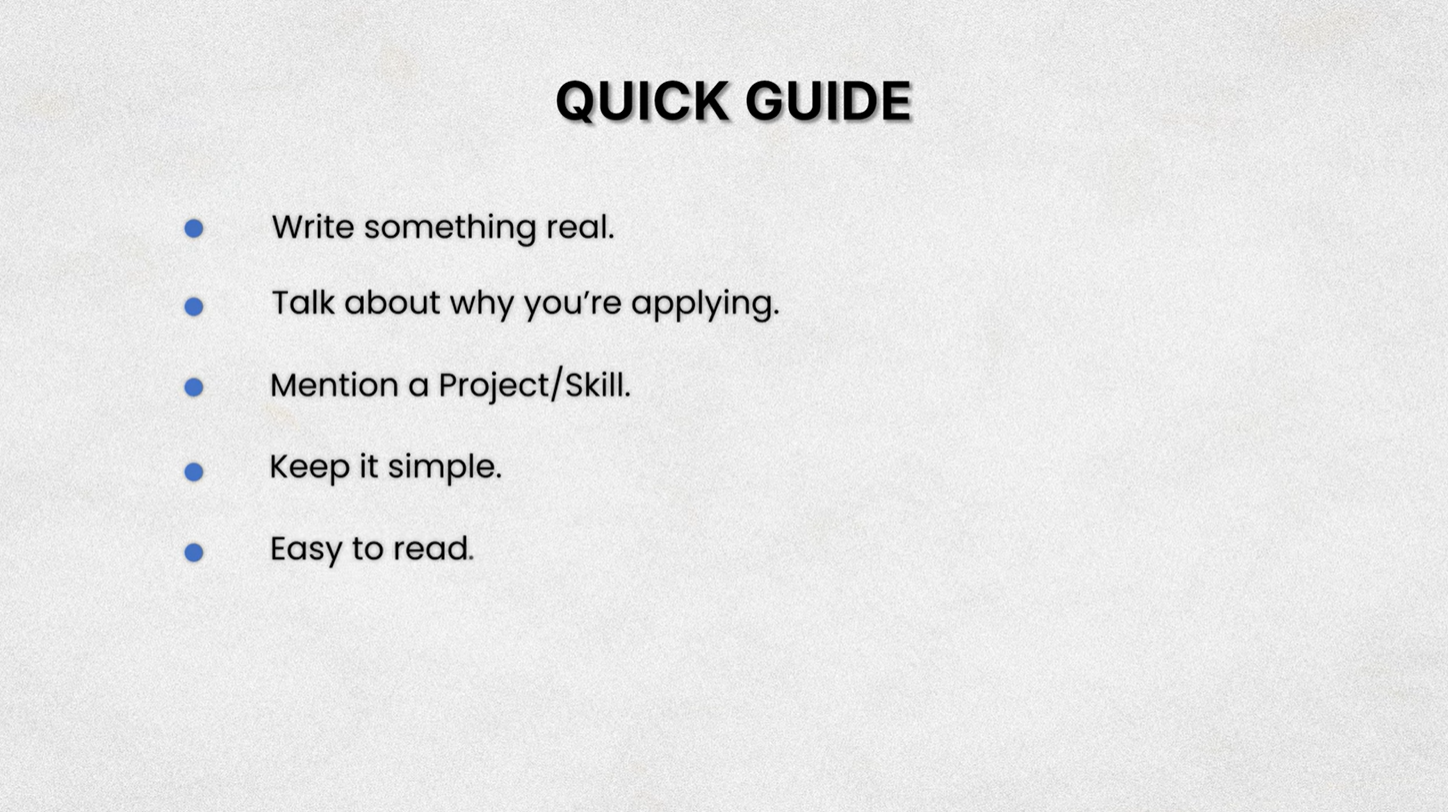
Please don't do it. That stuff doesn’t work anymore. Instead, write something real. Talk about why you’re applying. Mention a project or skill you did that actually fits the role. Keep it simple and easy to read.
If you’re applying to German companies, write your CV, your cover letter, and even your emails in German. This will increase the chances of getting a response. A lot.
I know, this part takes time. You just need to get it sorted once. And then you will already be ahead of 90% of people who just throw things together and hope for the best.
Step 5: Start applying for jobs
Now we’re at the important part: actually searching for jobs and applying.
Now obviously, there are tons of job sites out there. But the question is, which ones actually work? And how do you apply without just sending out 200 applications and hearing nothing back?
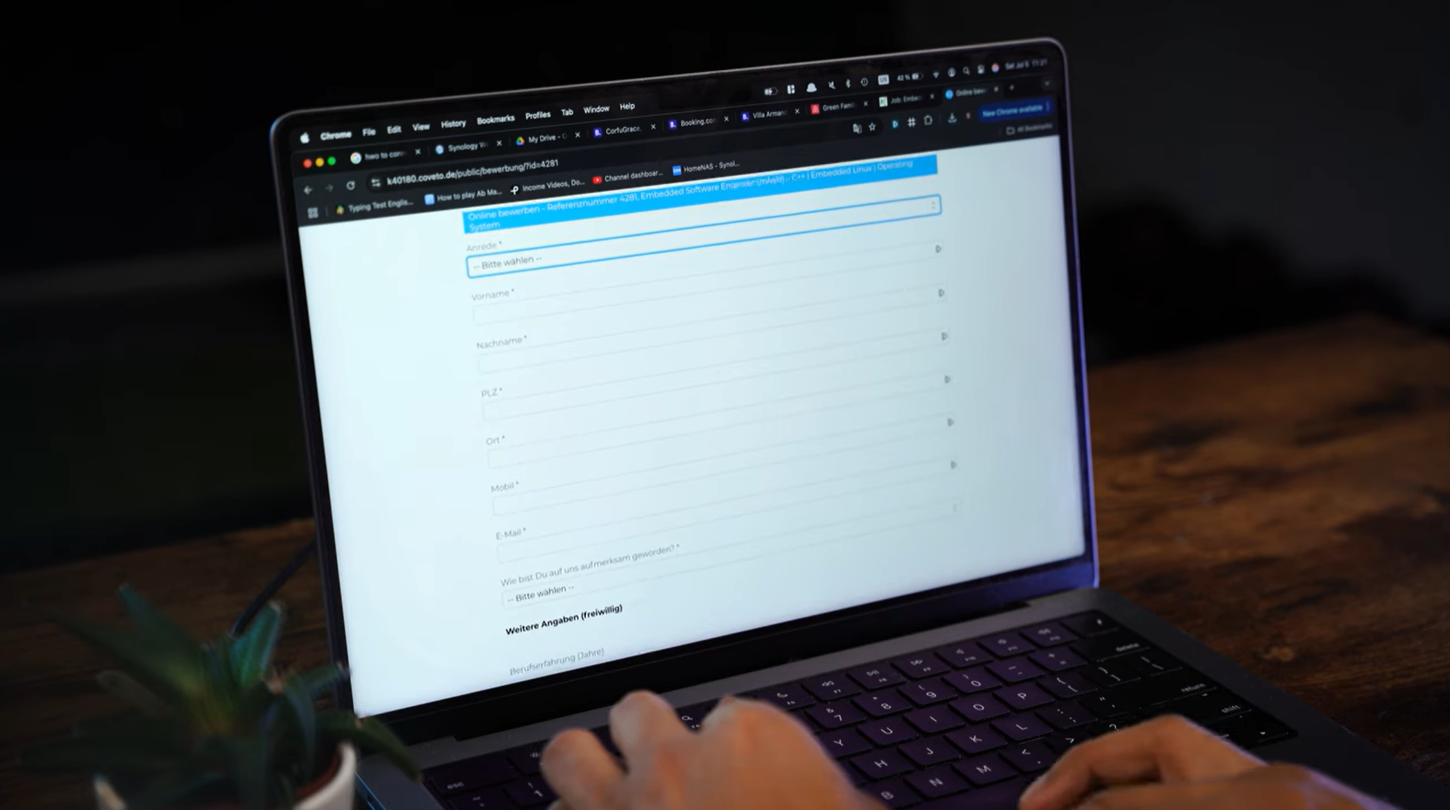
There are a few reliable German job portals you should definitely sign up for, such as LinkedIn, Stepstone, Xing, Indeed, and Monster.
These are big platforms where real companies post real openings. Just create your profile and set up job alerts, and they’ll notify you when something matches your skills. That way, you’re not wasting hours refreshing pages.
But here’s the thing just applying on job portals isn’t enough. Everyone’s doing that. So if you want to stand out, you’ve got to go a step further.
So start by reaching out directly to recruiters or hiring managers at companies you’re interested in even if there’s no job posted. This is what’s called a speculative application, and trust me, it works. Some jobs never get advertised publicly and only get filled through internal networks and referrals.
But just don't send an email asking, "Do you have any jobs for me?" and then sit waiting for a positive response. You connect with people on LinkedIn or Xing. You show genuine interest not just in a job but in the company itself. And when you message them, don’t just talk about yourself. Talk about them. Mention something specific you like about their work. Share how you think you can help. That’s exactly how I got my job here.
I contacted a recruiter through Xing, and we had a quick chat. I told them what I liked about the company and shared a bit about my background and how I could add value to their team. A few days later, I got a call for an interview.
Now, I’m not saying it’s always going to be this easy. Most people won’t reply. Some might even ignore you completely. But that’s okay. You don’t need replies from everyone you just need one yes.
Step 6: Prepare for interviews
If your CV gets shortlisted, the next step is usually a remote interview. It doesn’t matter how skilled you are if you can’t make a positive impression during the interview, your chances of grabbing that job are low.
So, you have to prepare well. You’d be surprised how many candidates don’t even bother checking what the company actually does. Don’t be that person. Go to their website.
Research about the company and the position. Read about their products, their values, and their mission. Understand what they care about.
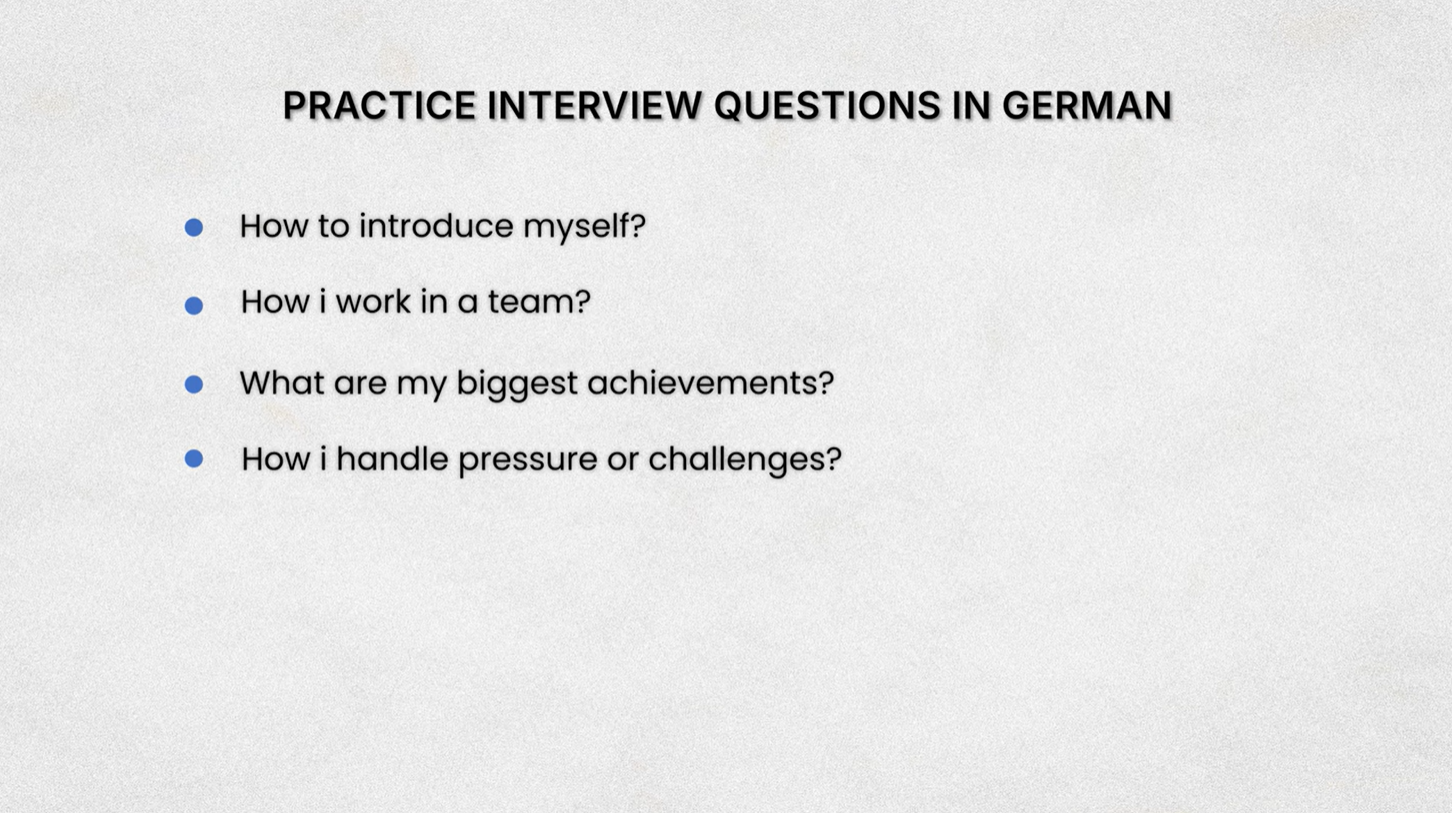
Another thing that really helped me was practicing common interview questions ahead of time. In German. Things like how to introduce myself, how I work in a team, what my biggest achievements are, and how I handle pressure or challenges—stuff like that. If you are interested, I’ve got a list of common interview questions both in English and German.
You can download it from the link in the description below. Once you are well prepared, practice. So sit down with a friend, or even in front of a mirror, and rehearse your answers out loud.
And during the interview be confident and also friendly. Yes, it’s a formal setting, but they’re also trying to figure out if you’re someone they’d enjoy working with.
And most importantly remember, the interview is a two-way street.
It’s not just about them deciding if you’re good enough. It’s also your chance to see if you want to work with them. So ask questions.
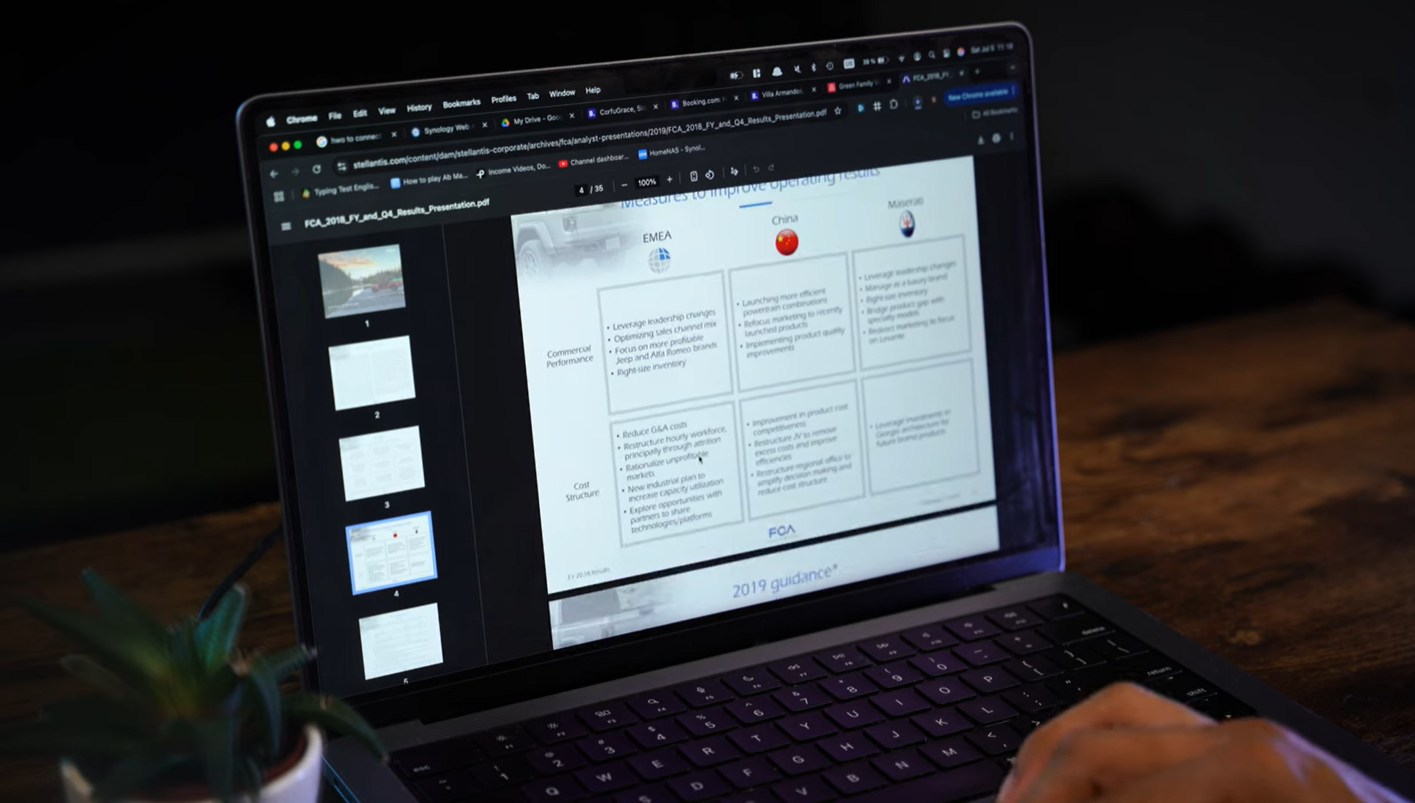
Before my first interview, I analyzed the company’s revenue over the past few years, noticed a dip in one of the years, and specifically asked about the reason behind it. Doing this kind of homework will put you ahead of a lot of people.
Step 7: Apply for a visa
Once you clear the interview and get that German offer letter in your hands, the final step is getting your work visa.
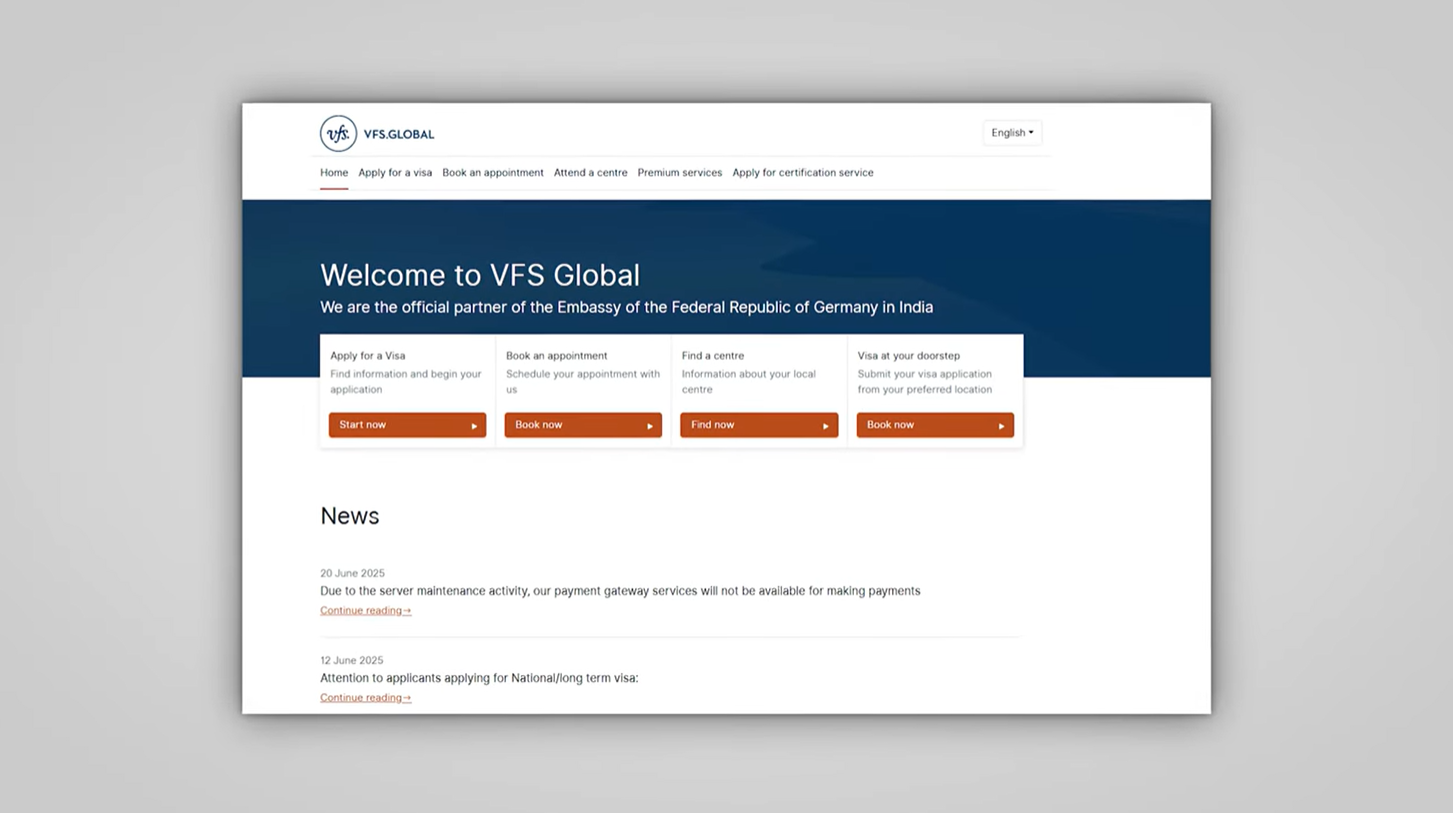
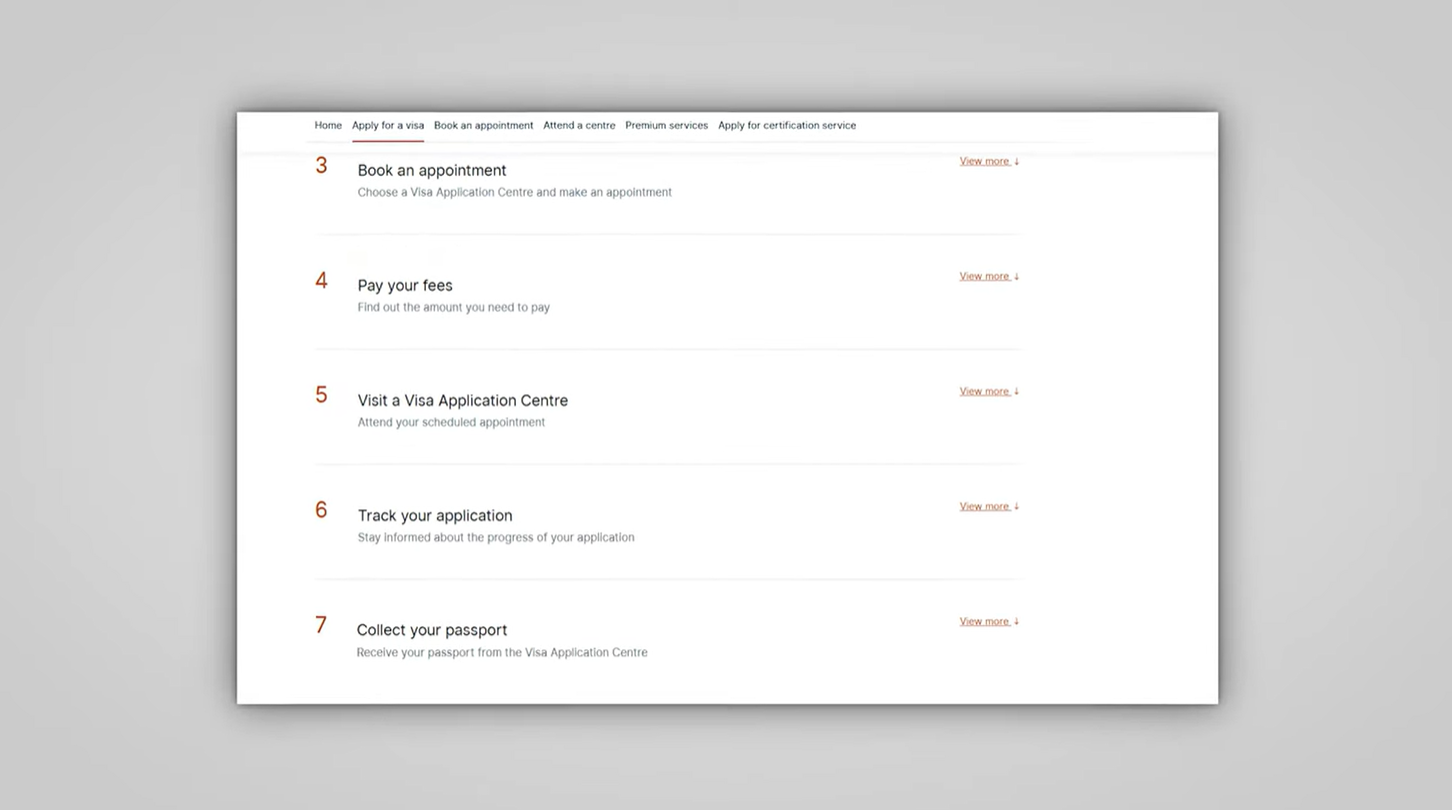
You can apply through your nearest German embassy, consulate, or a visa center like VFS. Just head to their official website, check the full list of required documents, and start the application process.
Conclusion
And look you don’t have to be in Germany to do any of this. You don’t need to pay some agent thousands of dollars or spend money on a job seeker visa or an Opportunity Card just to get a job in Germany.
We’ve got one of the most powerful tools for job search—the internet. Whether you’re in your home country or already in Germany, the process is the same. You’re not walking into offices with a printed resume. You’re applying online. And you can do that directly from your home.
If something works out great. If not, that’s okay too. At least you gave it a shot
Disclaimer: The Content is for informational purposes only, you should not construe any such information or other material as legal or other advice. It is important to do your own analysis before making any decision.