
Stay or Leave? The Hardest Decision I’ve Made in 13 Years!

For the first time in 13 years, I’ve been seriously thinking about something I never imagined I would. The possibility of leaving Germany and going back to India. And no, there isn’t one single reason behind this.
It’s a lot of small things, slowly stacking up over time. The economic slowdown.
The crisis in the job market. And on top of that, the growing anti-immigration sentiment.
When you put all of this together, it makes you pause and ask a question you never planned to ask. Has the time come to say goodbye?
But a decision like this is never gonna be easy, right? It's not ike changing a job or moving to another city. India is where I was born. That’s where my family is. That’s where my roots are.
But I’m a German citizen now. Germany is my home. And when both places mean so much to you, it's hard to pick one.
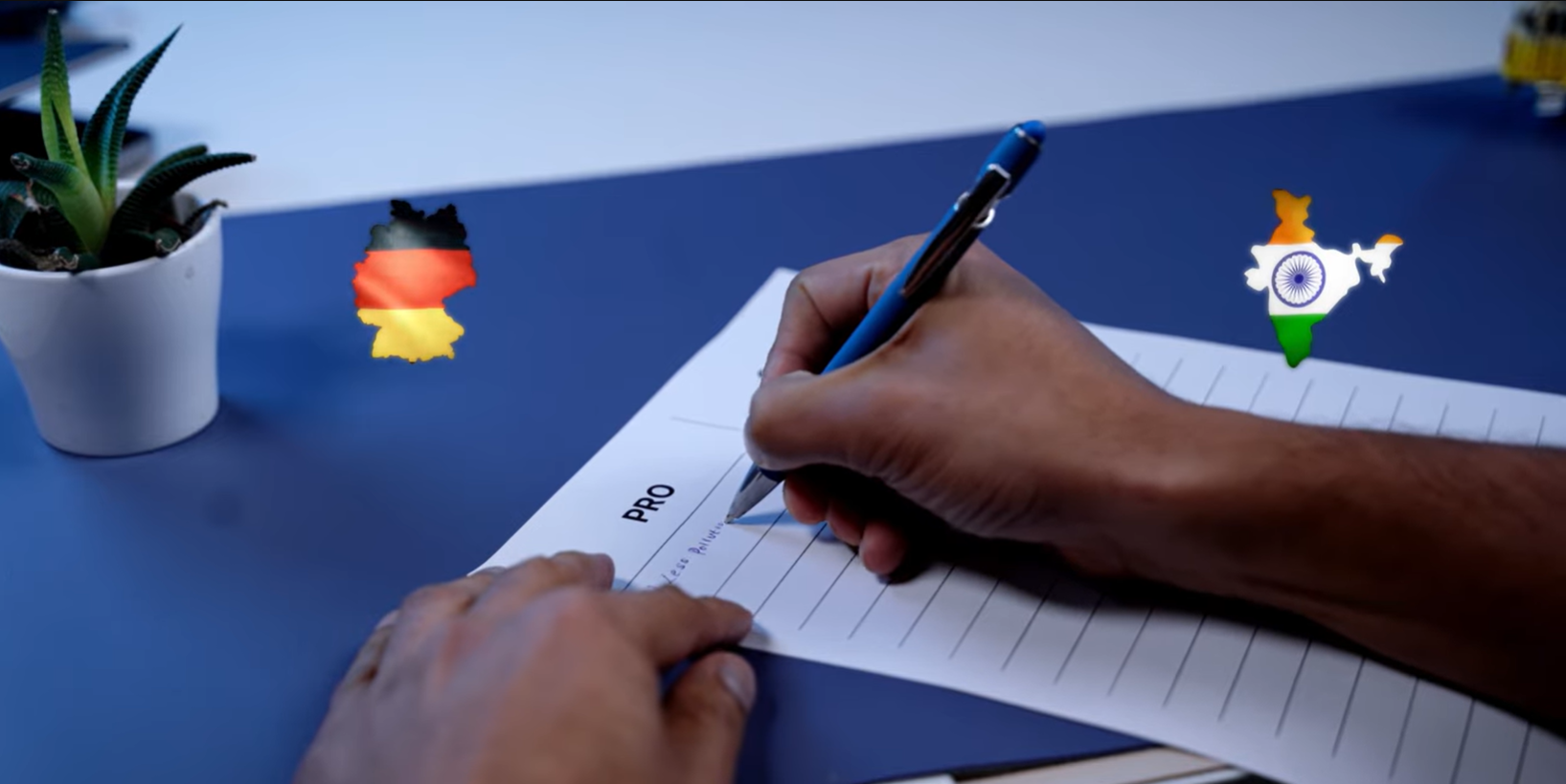
So just like Ross did in the TV series Friends, I took a pen and paper and wrote down every single pro and con of staying in Germany versus going back to India. And that’s exactly what this video is about.
By the end, I’ll share what I learned from that list and the decision I ultimately reached. So let's get started.What is the Anabin Database?
The authority responsible for evaluating and recognizing foreign qualifications in Germany is the Central Office for Foreign Education (ZAB).
Every time ZAB conducts an evaluation, the results are updated in the Anabin database.
That means everyone can check whether their qualifications are already recognized without the need to go through the entire evaluation process with ZAB. And to do this through Anabin, you must complete two key steps.
Intro
Now, I need to be clear about one thing upfront. This is not about saying one country is better than the other. Both are great countries, each with its own strengths and weaknesses.
What I’m sharing here is simply my personal perspective. If you were to make your own pros and cons list, it would probably look very different from mine. What I see as a positive might be a negative for you, or it might not matter to you at all. And that’s okay.
Different people value different things. These are just my observations, based on what actually matters to me when I think about where I want to build my future. Nothing more, nothing less.
First, let’s talk about some of the things Germany does better, starting with the one thing that bothers me the most when I think about moving back to India.

1. Pollution
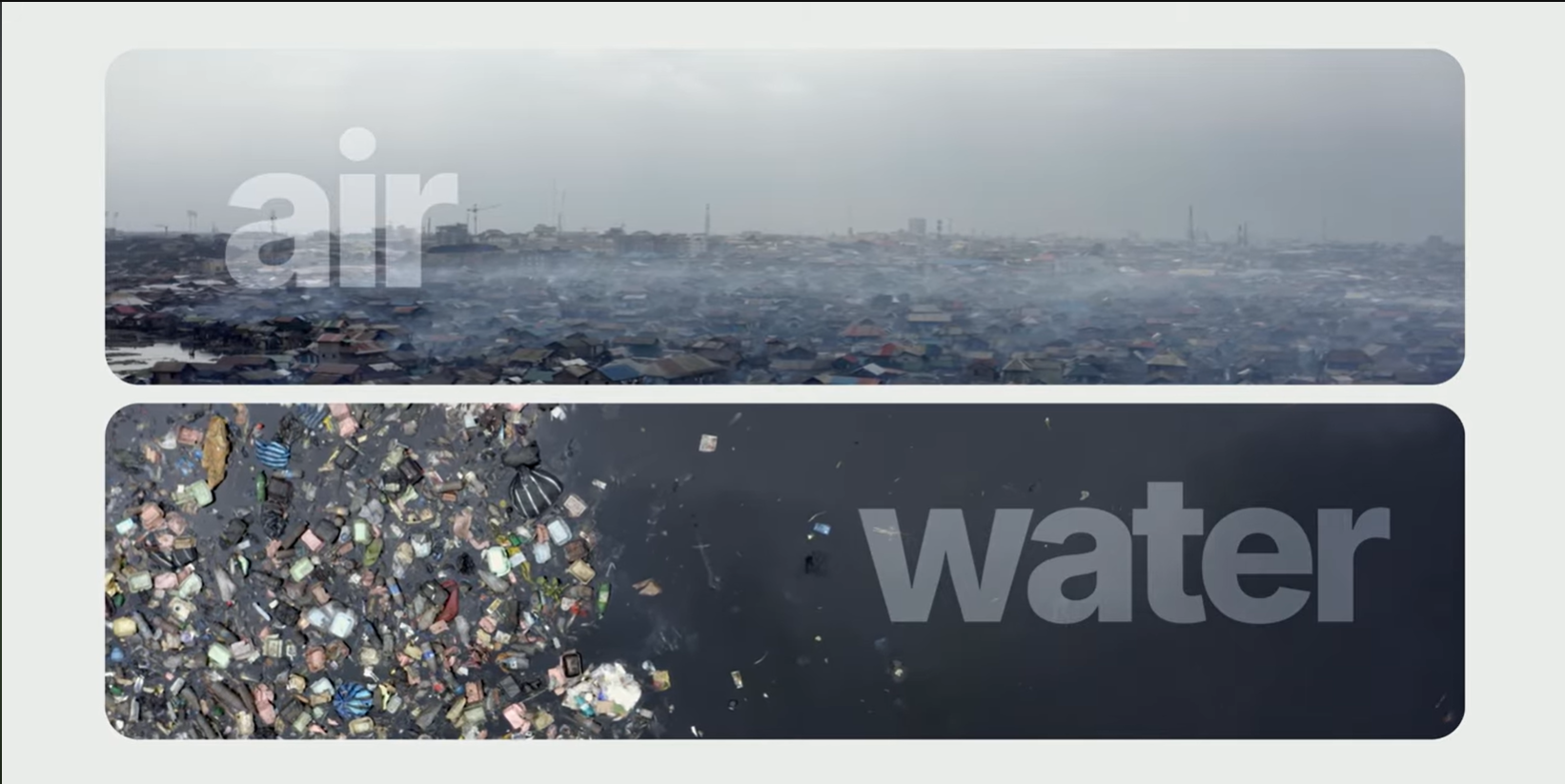
Pollution. Both Air and Water.
This is something most of us take for granted in Germany. When the air is clean and the water is safe to drink, it feels normal. Like that’s how life is supposed to be. But the truth is, that’s not the default in a lot of countries, including India.
This winter, the air quality index in New Delhi crossed 800. It got so bad that the government had to ask people to stay at home. In many Indian cities, the average PM2.5 level is around 80 to 100 micrograms per cubic meter.
In Germany, this value is around 7 to 8 micrograms per cubic meter. When you compare this to the WHO guideline of 5 micrograms per cubic meter, you start to see how serious the problem in India really is.
And this isn’t just about numbers on a chart. Long-term exposure to these fine particles can lead to heart problems, lung diseases, asthma, and even cancer. And over time, it can reduce average life expectancy by about 3 to 4 years.
Then there’s water. In Germany, clean drinking water is a given. You open the tap, and you drink it. You don’t think twice.
In India, that’s simply not the case. In many major cities, there’s a real shortage when it comes to the availability of clean drinking water.
Finally, I have to talk about one more kind of pollution. Now, Indian cities are vibrant. They’re full of life. There’s energy everywhere.
And many genuinely love that. But all that energy also comes with something else. Noise.
Traffic. Constant honking. Construction. Street vendors. Celebrations that don’t really end. Cities like Delhi and Mumbai are ranked among the noisiest in the world. And when you compare that to Germany, the difference is huge.
Honestly, when I first moved here, the silence here almost drove me crazy. But over the years, I have slowly started to appreciate this part of life.
Now, I’m used to the quiet. And, it bothers me when people talk loudly on the train. Or when someone bursts firecrackers at midnight.
I know India is working on these issues. I know there are challenges with population, geography, and development.
But after living in Germany for so long, it’s hard for me to imagine going back to a place where clean air and clean water are daily concerns.
2. Time
I believe time is the most precious thing in life. It is more important than money. More important than status. More important than almost anything else. So I feel more comfortable living in a country that gives time the importance it deserves.
In Germany, punctuality matters. If something is supposed to start at 9, it starts at 9. If someone says they’ll meet you at a specific time, they actually show up at that time. And when you live like that for years, it changes you.
I now feel uncomfortable making someone wait. I feel uncomfortable being even a minute or two late.
In India, time is more flexible. If something is meant to start at 9, everyone already assumes it’ll really begin at 9:30 or 10.
Now everything still works. People adapt. But for the few who actually show up on time, that’s 30 minutes of their life just… gone.
And it’s not just about having the right mindset. The system has to support that mindset, too. When you have better public transport, lower population pressure, and more resources, it’s simply easier to be on time in Germany.
In India, it’s different. Public transport is not always reliable. Traffic is unpredictable. You can leave early and still end up late.
In cities like Bengaluru, people lose around 240 hours every year just sitting in traffic. Mumbai and Delhi aren’t very different. That’s more than seven full days of your life. Just gone. Every single year.
I know things are changing in India. New highways, better infrastructure, faster connections. India will surely catch up on that.
But I’m not sure how fast the mindset around time will change. And for someone like me, who values time and mental peace, that difference matters.

3. Value of Life
Last year, there was a fire alarm at my apartment in Germany. Within minutes, the police showed up with multiple fire trucks.
They checked the place, realized it was a false alarm, and left. Nothing dramatic happened. But that moment stuck with me. Because it showed me something very clearly. How seriously does Germany treat the value of human life?
Now, let me ask you to imagine something. Someone in your family has a heart attack. You call for an ambulance. How long before help actually arrives? In Germany, the target response time is around 10 minutes.
And nearly 80% of emergency calls meet that target. In cities, it’s often even faster. They even land helicopters on highways to fly accident victims to nearby hospitals.
In India, the average response time is closer to 25 to 30 minutes. In rural areas, it can take even longer. That extra 10 or 15 minutes.
That could be the difference between living and dying. And it's not just the system; in Germany, every single person understands the value of human life.
When there’s traffic congestion on German highways, something interesting happens.
Cars in the leftmost lane move further left. The lanes on the right shift further right to create an emergency corridor for ambulances and fire trucks. No one has to tell them what to do. It just happens.
So it always comes down to the same question, isn't it? What are the chances that something could go wrong? And if it does go wrong… what are my odds of surviving? In Germany, I have confidence.
Confidence that help will arrive quickly.
That hospitals will have space.
That insurance will cover the treatment.
That the system, even though it’s not perfect, is strong enough to catch me if I fall.
That even if I’m in the very last minutes of my life, Germany will still fight for me.
And that peace of mind… that’s something I’ve come to value deeply.

4. Bureaucracy
Now, I know what you’re thinking. Shouldn’t this be on the negatives list for Germany? Everyone knows German bureaucracy can be frustrating. There are rules for everything. Paperwork never really ends. And yes, things don’t always move as fast as we expect.
But when I go to a government office in Germany, I know one thing for sure. I don’t need to know anyone. I don’t need to pay anything extra.
If I follow the process, the result will come. Maybe not today. Maybe not tomorrow. But it will come. At least the rules are clear. And more importantly, everyone plays by the same rules.

From what I’ve experienced in India, bureaucracy feels very different. In many cases, the requirements aren’t clearly defined. You end up running behind multiple offices. You’re told to come back again and again. And sometimes, things only move if you have the right connections—or you pay a “special fee.”
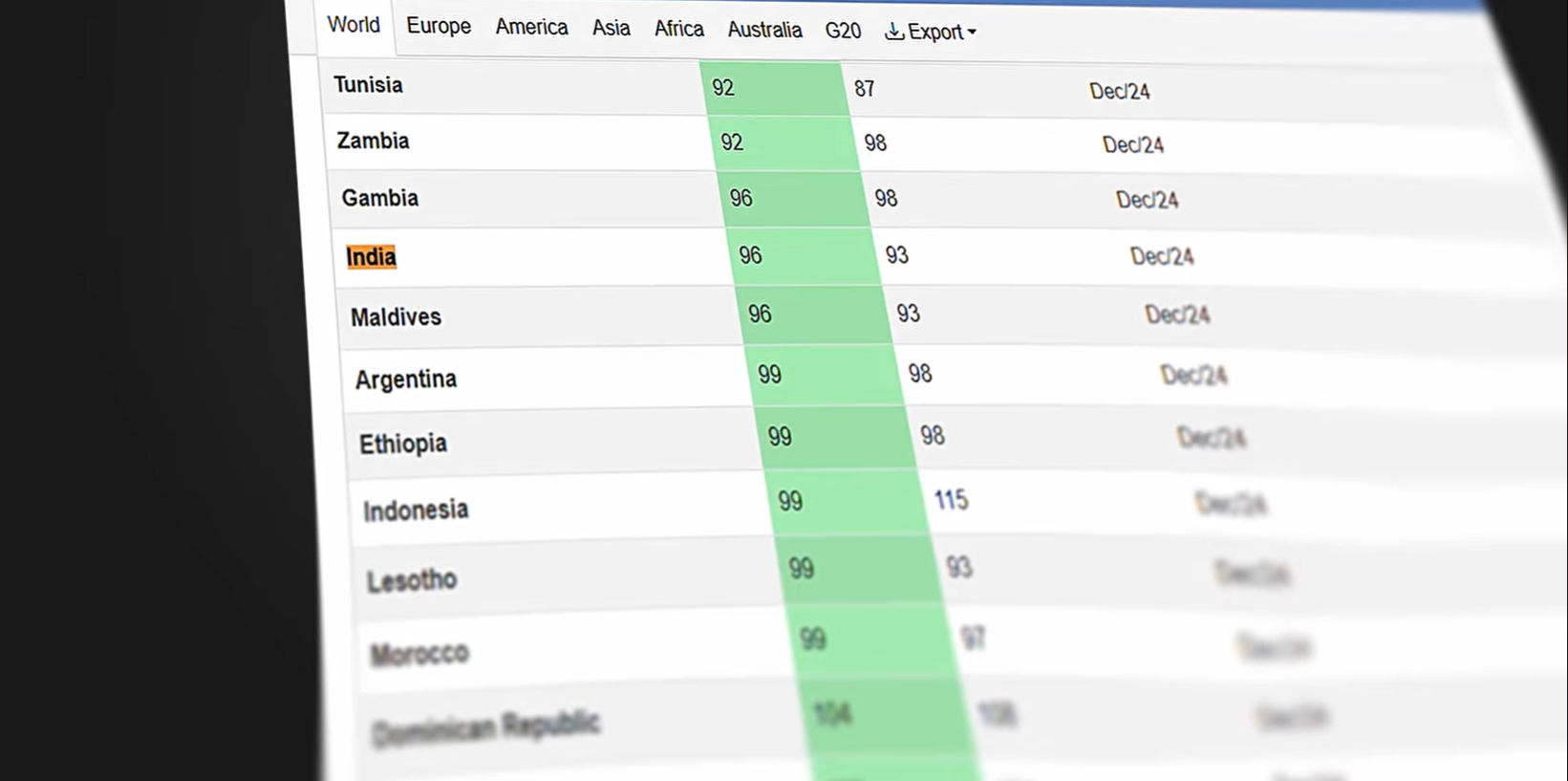
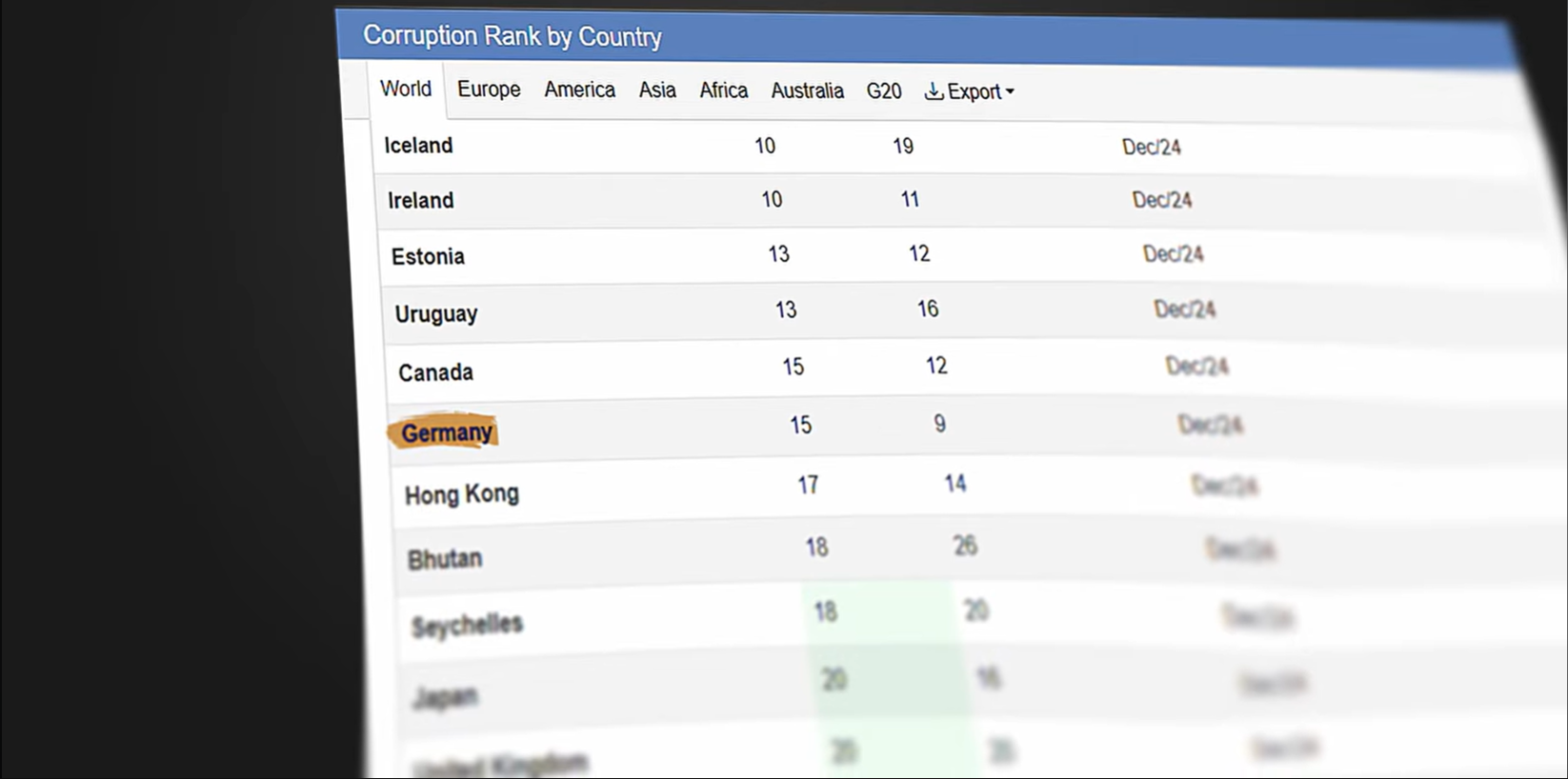
Germany ranks in the top 15 least corrupt countries globally with a score of 75 out of 100. India ranks 96th with a score of 38. I’m not saying this is the case everywhere in India. And I’m definitely not saying Germany is perfectly efficient.
But corruption at the citizen level is almost non-existent here. It makes dealing with the government predictable. And for example, if I want to start a business, I know the system won’t work against me just because I refuse to play unofficial games. There is more certainty, and there is fairness. And it makes everyday life easier.
5. Work Llife Balance
Now let’s talk about one of the factors that I value the most. Work-life balance. I’ve worked in both India and Germany, so I’ve seen both sides.
When I was working in India, long hours were considered normal. I still remember leaving the office once at three in the morning.
In fact, if you left on time, people looked at you like you weren’t serious about your work or your career.
So when I moved to Germany, I was honestly shocked. Most people work nine to five, leave on time, and don’t carry their work back home. Nobody expects you to stay late just to prove you’re hardworking.
Vacation isn’t optional. People take their full 28 to 30 days of paid leave every year, and in many cases, you’re actually forced to take them. And if you’re sick, you stay home. No questions asked. Here, people work to live, not live to work.
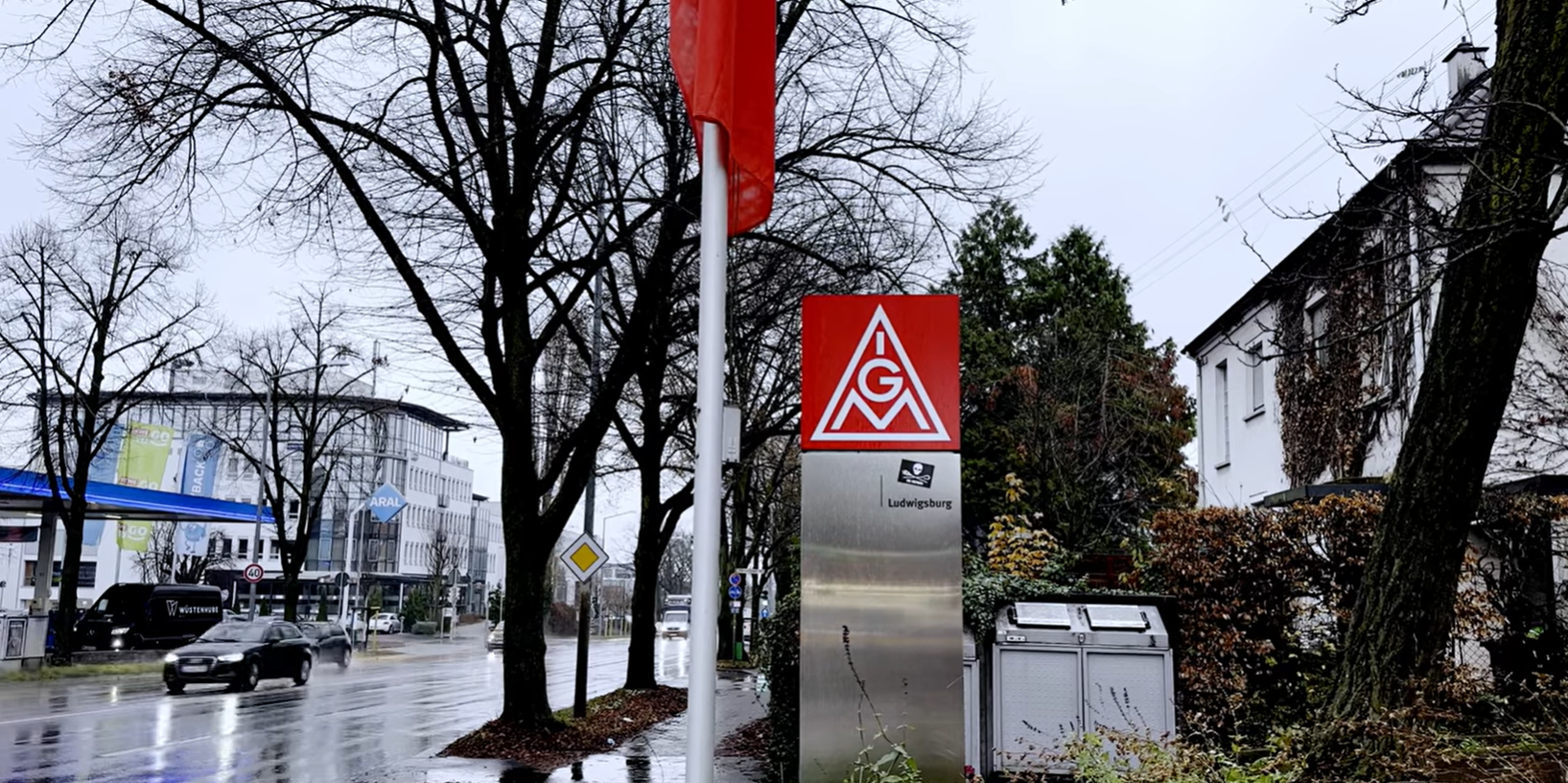
Another thing that doesn’t get talked about enough is worker protection. In most companies here, it's a legal requirement to have a workers’ union to represent the interests of employees. And because of strong labor laws, firing someone isn’t easy.
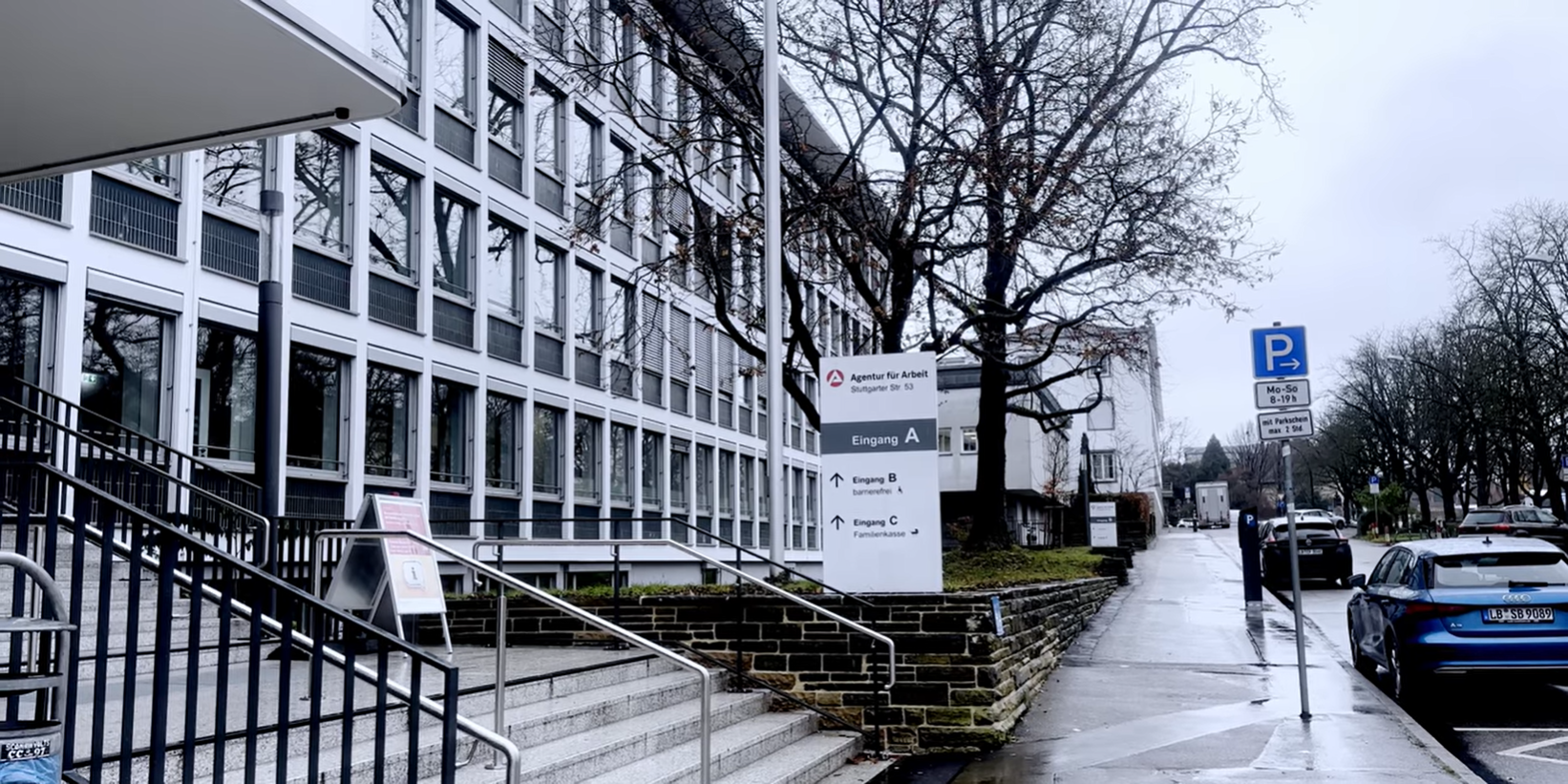
But let’s say something still goes wrong. You lose your job. In Germany, the system is designed so you don’t suddenly end up broke or homeless. Unemployment insurance kicks in.
You get financial support while you look for the next job. The government also helps with job placement and retraining if needed. And later in life, when you retire, there’s a statutory pension system in place, so you’re not left on your own.
There’s social security. There’s a safety net. And knowing this exists changes how you live and work. You’re not constantly operating from a place of fear. And once you experience this kind of balance, it’s very hard to give it up.
6. Safety and Security
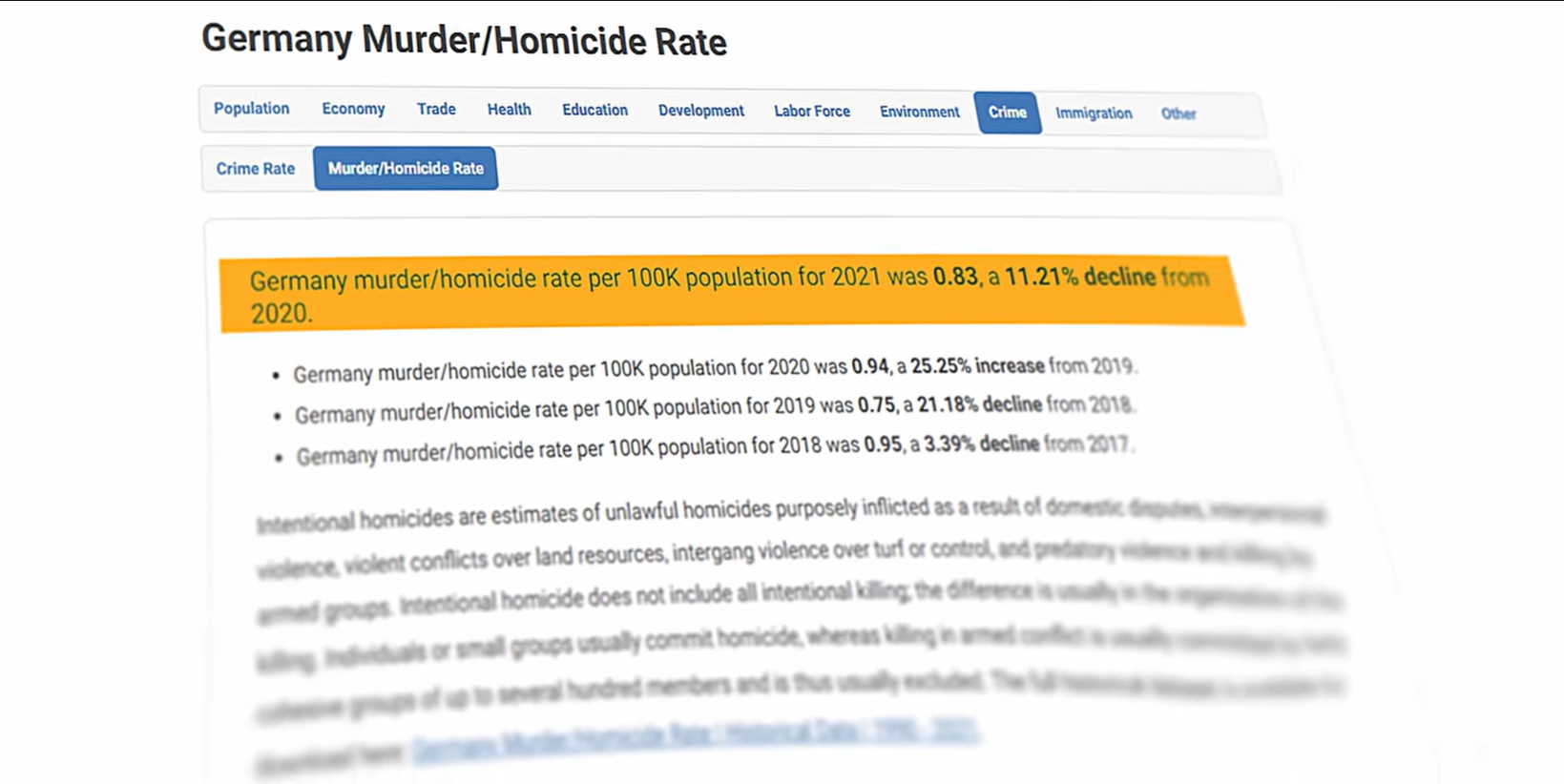
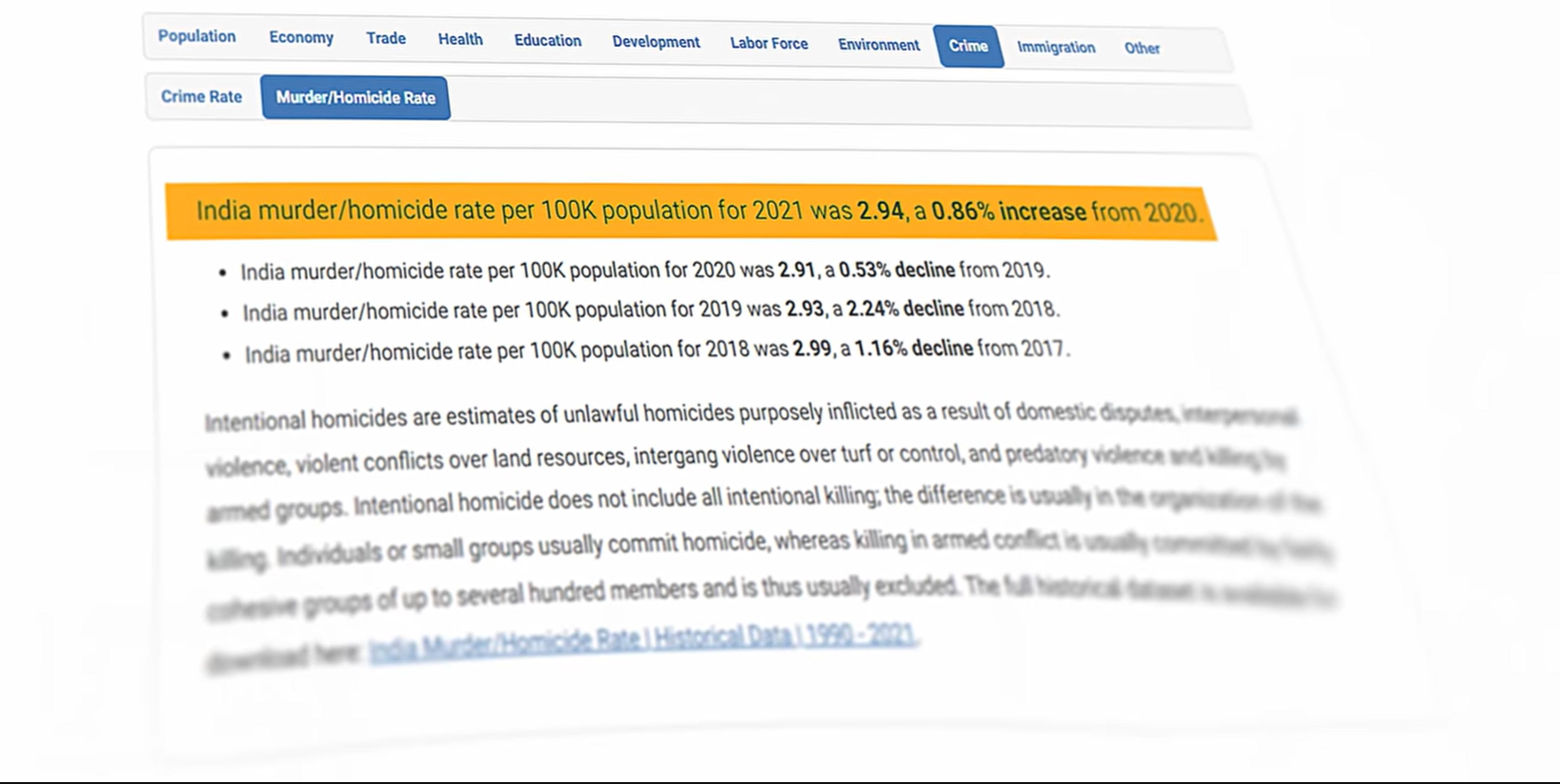
One thing you notice almost immediately when you come to Germany is how safe it feels. If you look at the numbers, Germany’s homicide rate is around 0.8 to 1 per 100,000 people. In India, it’s closer to 2.5 to 3. Roughly three times higher. But honestly, statistics only tell part of the story.
Crime rates are low, yes. But what really matters is how safe you feel when you step outside. I know many women in India who move through public spaces very carefully. Harassment on buses and trains is a real concern.
Compared to that, women in Germany travel alone without constantly having to look over their shoulder. Kids play outside by themselves. There’s just… less tension. Less constant alert mode.
And this isn’t about saying people are good here and bad there. There are bad actors everywhere. This is about systems and accountability.
How seriously safety is taken, and how quickly things are acted on when something goes wrong.
7. Civic Sense
Now this is a topic that’s come into the spotlight a lot recently. I’ve even made a full video on this. Civic sense, or how you behave in public spaces. There’s no perfect rulebook or step-by-step guide for this. But there are a few things I have to mention here.
Let’s start with the thing that bothers me the most in India: the lack of respect for traffic rules. I’m genuinely scared to drive. With constant honking and risky overtakes, it feels dangerous and exhausting.
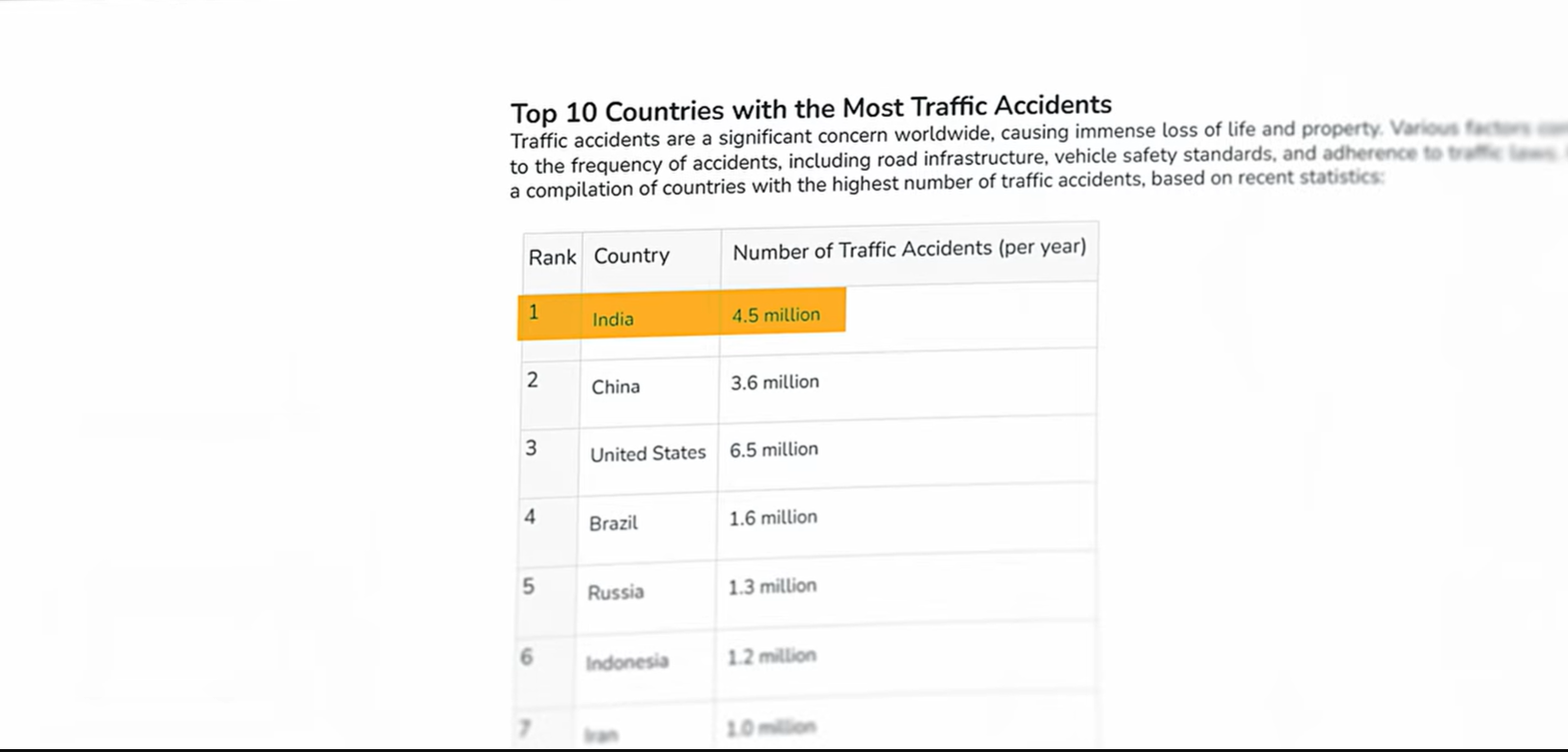
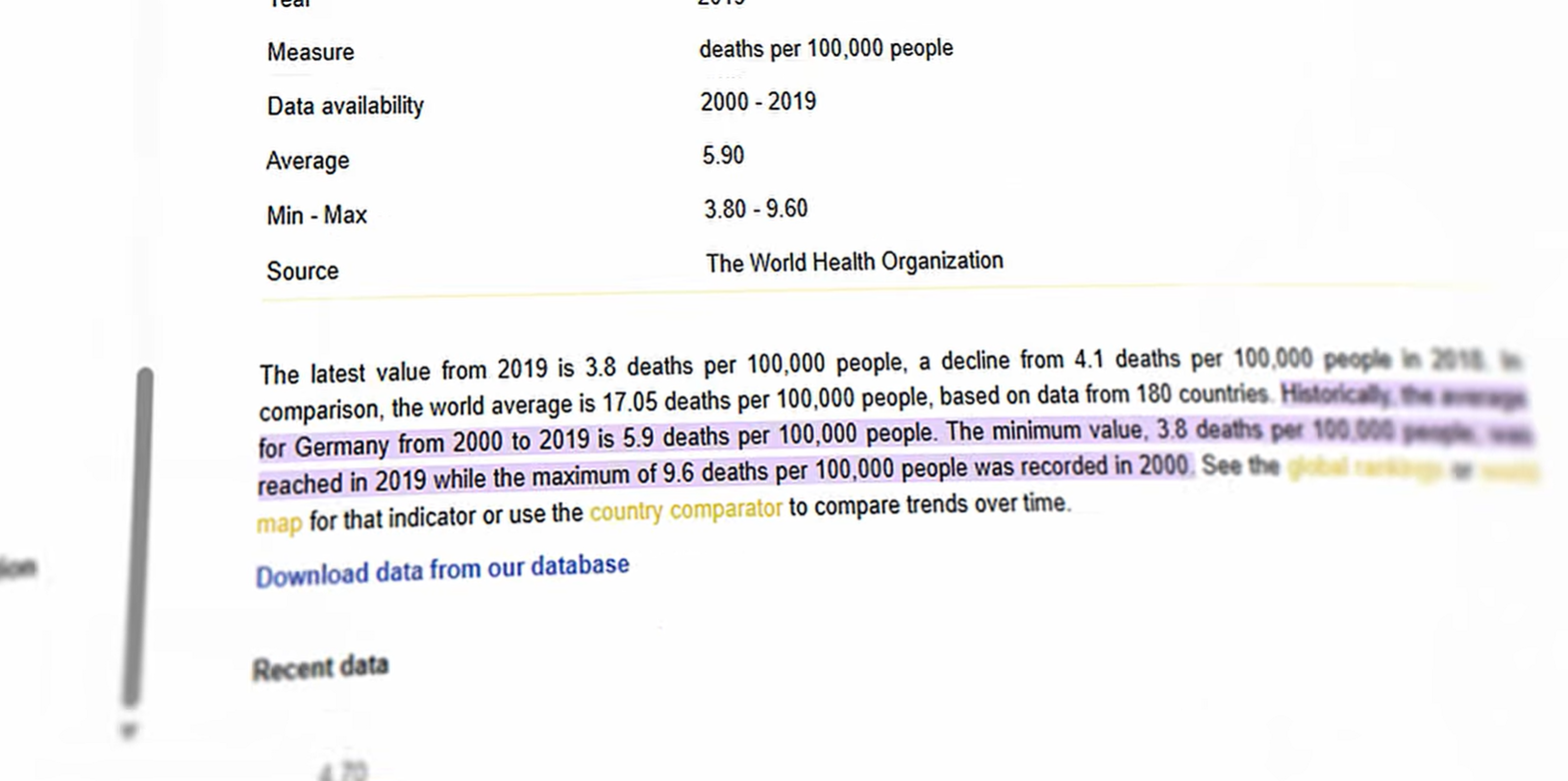
And this matters even more when you look at the risks. India has one of the highest absolute numbers of road deaths in the world. Around 177,000 people die of road fatalities in a single year.
That’s roughly 12 to 18 deaths per 100,000 people. In Germany, the numbers are much lower. Around 4 to 5 deaths per 100,000 people.
And It frustrates me that how careless people are with their lives in India. Everyone is trying to squeeze through the smallest gap possible. No one waits. No one has patience. It’s stressful even when you’re just sitting in the passenger seat.
The same goes for public transport. Simple things like letting people get off first, not blocking the pathway for no reason, or not talking loudly on the phone. These are pretty normal in Germany, but not everywhere in India.
Then there are things like throwing waste on the street. Spitting on the road. Throwing trash out of buses and trains. And don’t get me started on cutting lines.
On their own, these might seem small. But together, they say a lot about how we treat shared spaces—and the people around us.
And I get it. In a country like India, with such a massive population, you can’t expect things to work perfectly everywhere.
There’s a constant hustle. Push harder and get ahead, no matter what. That competitive spirit is one of the reasons the country grew the way it did.
I also know this isn’t how everyone behaves. India isn’t one thing. Every part of the country is different. And Germany isn’t perfect either.
Not at all. People here talk loudly on the phone in public transport, too. That irritates me as well.
But the difference is this. You see such things more often in India than in Germany. And I’m not judging anyone here.
I’m not asking people to change. I’m not telling anyone how they should behave. Everyone is free to live the way they want.
But here’s the thing. After living in Germany for years, these things start to hit you differently. When you see it once in a while, you can ignore it.
But when you see it every single day, it affects you. It messes with your peace of mind. And honestly, that’s what I’m worried about.
Okay, that’s enough about Germany. Now let’s talk about the factors that are tipping the scales more towards India.
Pros India
1. Family

The biggest benefit of leaving is actually very simple. My family is in India. I’m someone who truly believes family is everything. These are the people you can trust no matter what. The people who want the best for you without expecting anything in return.
I still remember standing at the airport for my first flight to Germany. My parents had come to drop me off.
And when I saw them one last time before heading to security, the thought that hit me hard was this: from now on, I’m going to see them a lot less.
There are better career opportunities, better salaries, and better living conditions in Germany. I won’t deny that. But there’s always an opportunity cost. And nobody really talks about it.
Because when you choose one life, you automatically move away from another. And for me, the highest cost is distance and time. Distance from the people I love, and time I can’t spend with the ones who matter the most.
Living in a foreign country puts a hard limit on that. Yes, I travel to India once a year. But that still means I’m missing out on eleven months of their lives. No matter how much you want to show up, you just can’t.
And that’s the part no one prepares you for.
2. Comfort
When you live in a foreign country, you’re basically on your own. You have to handle a lot of things alone—things that, back in India, you’d probably have some kind of help or support for.
I’ve seen this very clearly with friends who had newborn babies. It’s supposed to be one of the happiest phases of life, but here it’s also one of the most stressful. In India, when a child is born, grandparents usually step in during those initial days. That kind of support makes a huge difference.
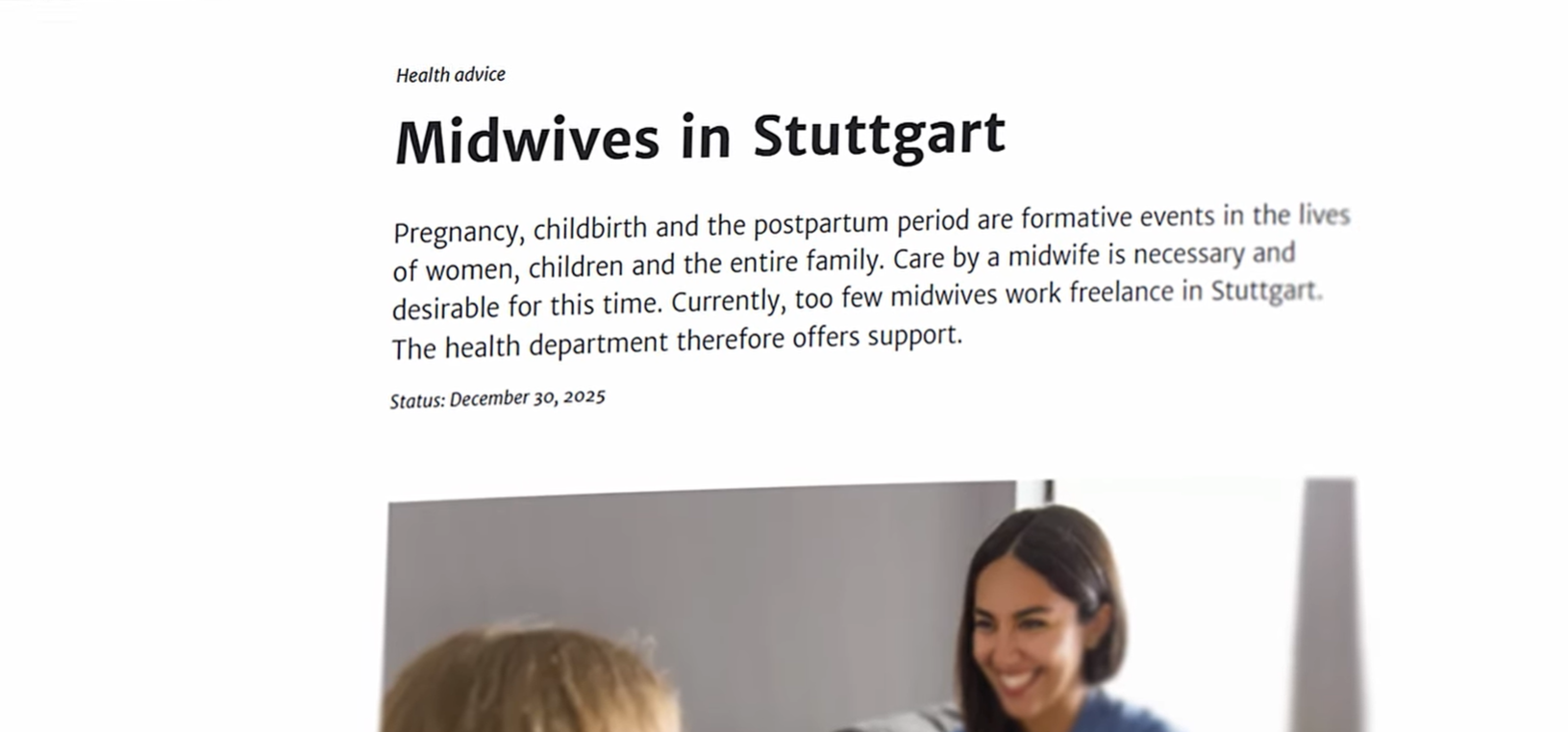
Yes, Germany has government support systems, and they are good. But they can’t replace the support from your loved ones. That’s why you’ll see many couples bringing their parents here for a short time, just to get through that phase.
And it’s not just about childcare. Even day-to-day life is easier in India. Household work is simpler and more affordable. Most of my friends in India have someone who comes daily to clean the house, cook food, and take care of chores.
In Germany, there’s no way around it. You’re expected to do everything yourself. Even small things like electrical work, furniture assembly, or plumbing become your job, because hiring someone is expensive.
In India, you now have services like Instamart and Blinkit where you can order anything from batteries to groceries and get it delivered in minutes.
The last time I was home, my mom ordered fish through WhatsApp. Within five minutes, it was delivered, cleaned, and ready to cook. You can even order food from a running train and have it delivered at the next railway station.
And then there’s UPI. A simple payment system that completely changed how money moves in India. You just scan a code and pay in seconds. It works almost everywhere. No cash. No worrying about change.
All of this is much easier and often better in India. And when you have those kinds of systems built around you, life becomes more comfortable.
3. Integration

I have been living in Germany for the past 13 years, and now I’m a German citizen. Still, even after all these years, I don’t feel like I truly belong here.
A big part of that comes down to language. Yes, I speak German. I use it at work and in most daily situations. But there’s a comfort that comes with your native language.
You just express yourself better. So even though you can make friends in Germany, the depth of those friendships somehow feels different.
It’s not the same as what I have back in India, where conversations flow without effort, and connections feel deeper.
And then there’s the uncomfortable part. Racial discrimination does exist. Big cities like Berlin and Munich are generally more immigrant-friendly.
But in some areas, you can still feel less welcome because of how you look or where you’re from. And with the rise of far-right parties, immigration has become highly politicized.
And that kind of atmosphere makes it even harder to feel like you truly belong.
4. Medical System
Now, this might sound controversial. And I know it can be very different for people, based on their own experiences.
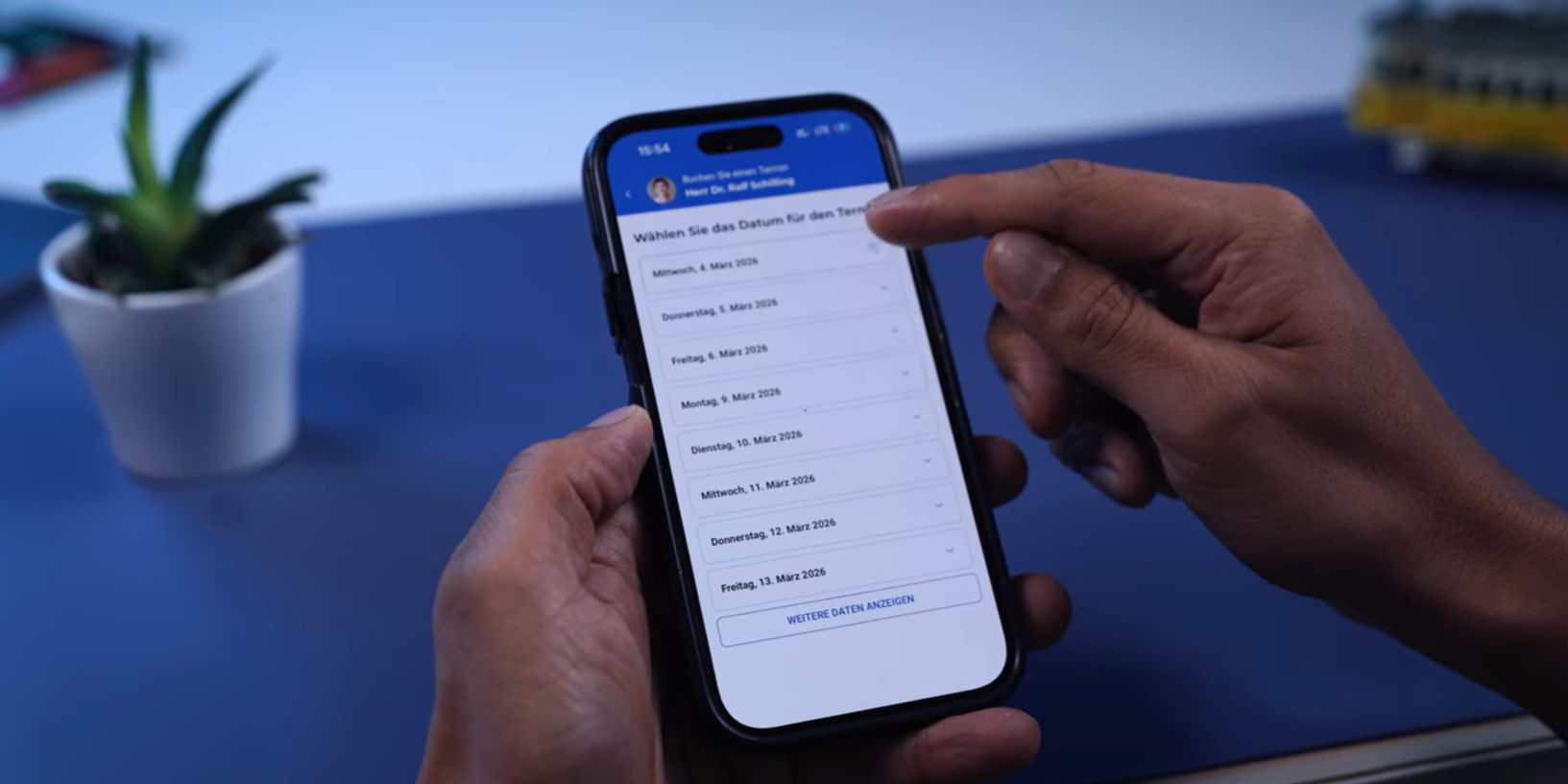
This is just my observation. Germany’s healthcare system is good. It’s universal and affordable. There is no denying that. But from my personal experience, if you have the money, the medical care you get in India is often faster and more efficient than in Germany.
Last year, I had neck pain and needed an MRI. I got a doctor’s appointment almost two months later. After that, the MRI appointment took another month. By the time everything was done, the pain had almost gone on its own.
When I visit India, I make it a point to get my health and dental checkups done there. Access to quality healthcare is much quicker.
Part of that is personal I have doctors in my close family, which definitely makes access easier.
But even beyond that, from my own experience and from what I hear from friends, healthcare in India reaches you faster than in Germany if you can afford it.
5. Weather
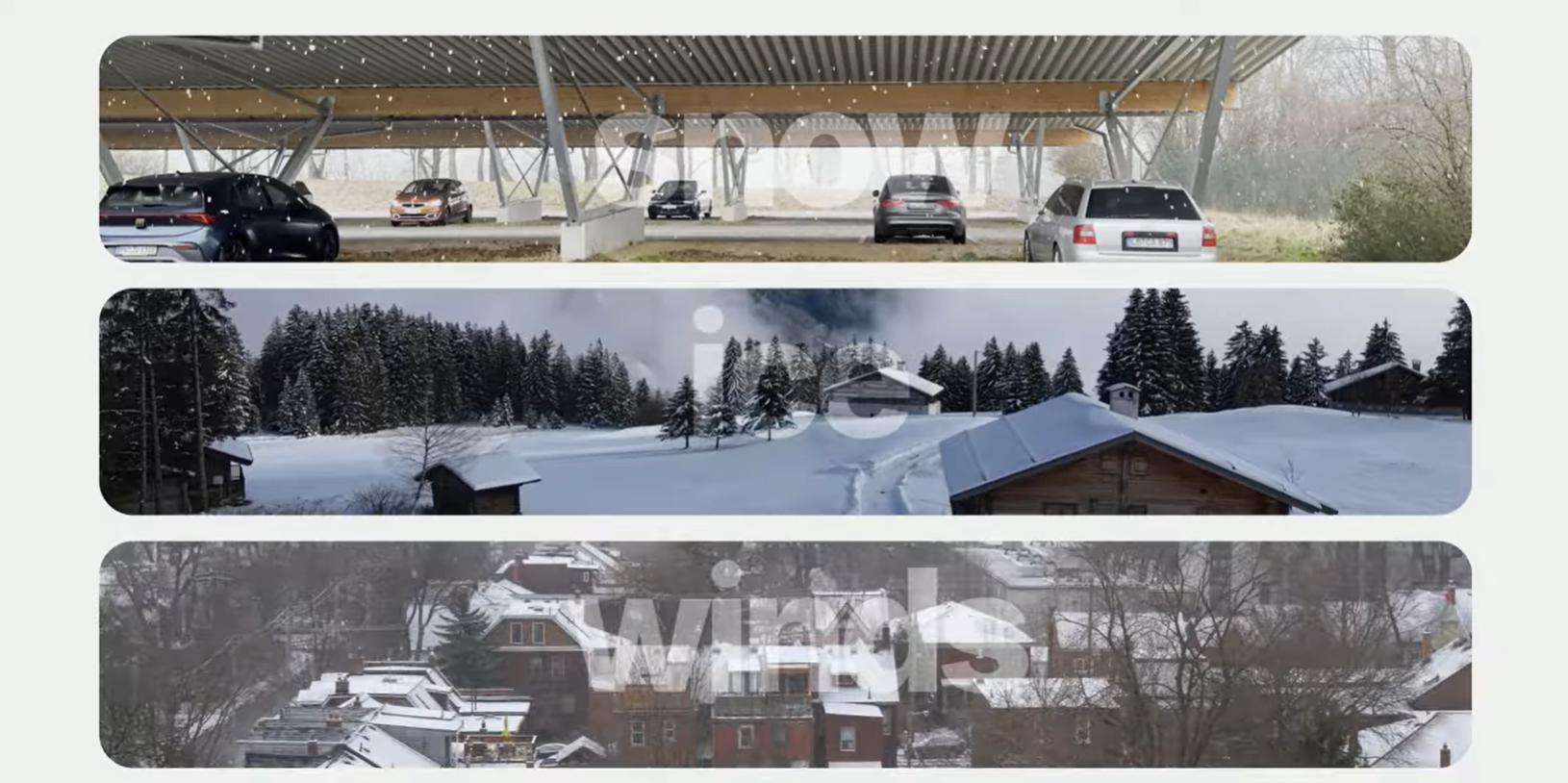
I come from a tropical country, so when I first arrived in Germany, snow felt magical. Winter sports, Christmas markets, all of it feels like straight out of a movie.
But there’s another side to winter that you only really understand after living here for a long time. On some really bad days, snow, ice, and winds can bring everything to a stop.
Even simple things like taking out the trash or buying groceries suddenly feel like a task. You have to layer up winter shoes, jackets, and gloves. And sometimes, just thinking about all that makes you stay inside.
And then there’s something people don’t talk about enough: winter depression. It’s very real. Some days, you barely see the sun. Over time, that gets to you. You feel low on energy and tired.
Compared to that, the weather in my home city feels much more comfortable. Yes, there are summer months when it gets unbearably hot. But for most of the year, you’re living in the 20s to low 30s. That’s pleasant.
I know there are many other positives on both sides that I haven’t even talked about like Germany’s free education system. All of that matters.
But for me, at this point in my life, those weren’t the deciding factors. They’re not what’s driving my decision right now. So with that said, let me tell you what I’ve decided to do, at least for now.
When I look at the whole picture when I think about the air I breathe, the time I save every day, the work-life balance I have, the safety I feel, and the systems around me that actually work, I can’t ignore what I’d be giving up. I have decided to stay.
This isn’t about Germany being perfect. It’s not. Germany’s economy is struggling. Yes, there’s political uncertainty.
And yes, there’s uncomfortable anti-immigrant rhetoric in the air. These are real concerns, and I’m watching them closely. And I miss home all the time. The warmth. The food.
The people. In India, I would probably live a more comfortable life in many ways. But I’d be trading that comfort for my health and my mental peace.
But when I’m honest with myself about what I need to feel secure, healthy, and able to build the future I want, Germany still gives me that in ways that, right now, India doesn’t.
And maybe this will change. India is developing fast. Infrastructure is improving. Systems are being reformed. Maybe in five or ten years, the calculation will look completely different.
But right now—today—this is where I am.
And honestly, making this list helped me clarify what really matters to me. It helped me understand why, despite everything happening politically right now, I'm choosing to stay.
I want to end by saying this one more time. I’m not trying to convince anyone of anything.
If you’re happy in Germany, I’m genuinely happy for you. If you’re planning to go back, I respect that decision completely.
These are just my personal observations based on my priorities. Different things matter to different people. And as I said, that’s okay.
If you’re going through a similar decision whether it’s about Germany or any other country I hope this gave you a simple starting point to think through what really matters to you.
Disclaimer: The Content is for informational purposes only, you should not construe any such information or other material as legal or other advice. It is important to do your own analysis before making any decision.